Tell us about the job
Takes about a minute. No obligation.
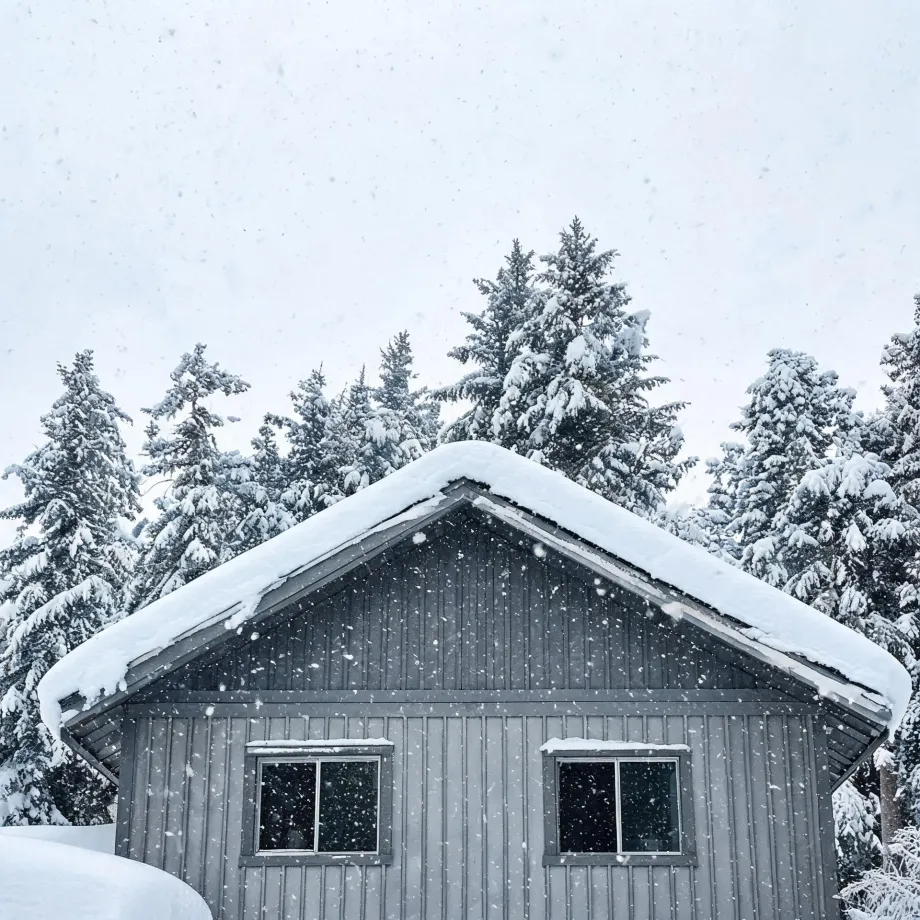
Heat pumps work hardest when outdoor temperatures drop, and winter is exactly when a Bent County unit is being asked to pull heat from cold air across a long stretch of the calendar. Homes in Bent County, CO run heat about seven months a year, from October through April. The compressor cycles through that entire heating season, building wear on the refrigerant circuit, the reversing valve, and the defrost controls that no summer idle period offsets. A contractor quoting a repair here checks those parts first, because they carry the load every year rather than sitting dormant through it.
Half the homes in Bent County, Colorado were built in 1959 or earlier (2020-2024 ACS 5-year). A heat pump running in a house that old has almost certainly been swapped in after the original installation, which means the system a contractor opens may be a generation removed from what the wiring and ductwork were configured for. What matters in a repair call is what the opened unit actually contains: whether the compressor, reversing valve, or control board it needs are still in supply, or whether the parts chain has moved past that model. That answer comes from the serial plate and the opened cabinet, and it decides whether the job is a repair or a replacement conversation.
The Parts of a Heat Pump a Contractor Checks First
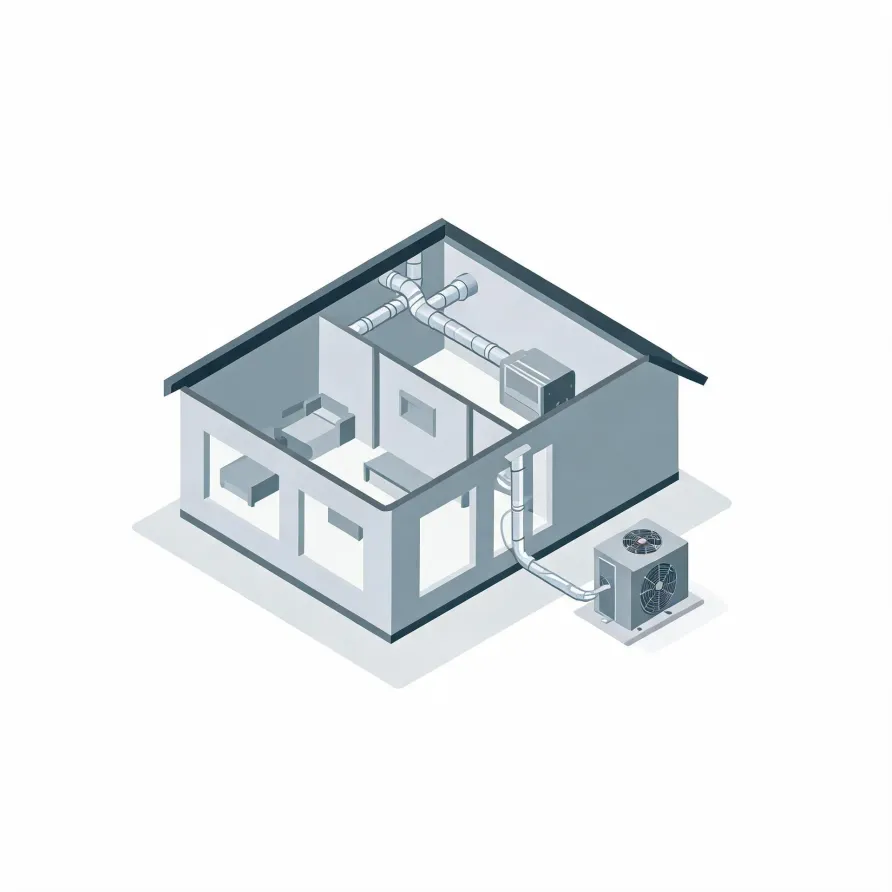
The outdoor unit is where most repair calls start. It holds the compressor, which moves refrigerant through the system, and the condenser coil, which sheds or absorbs heat depending on the season. When either of those goes wrong, the whole system either stops or stops keeping up.
Inside the house, the air handler pushes conditioned air through the home and contains the evaporator coil and the blower motor. The refrigerant lines connecting the two units and the reversing valve, which switches the system between heating and cooling, are the other pieces a contractor traces when the outdoor unit checks out clean.
The drawing shows the general layout of a heat pump system, and a licensed contractor determines what applies to your particular house.
Get matched in Bent CountyBent County, Colorado, by the numbers
86 severe weather events were recorded in Bent County, Colorado between 2015 and 2024.
NOAA National Centers for Environmental Information, Storm Events Database, bulk CSV export, events 2015-01-01 through 2024-12-31.Half the homes in Bent County, Colorado were built in 1959 or earlier (2020-2024 ACS 5-year).
U.S. Census Bureau, 2020-2024 American Community Survey 5-Year EstimatesBent County, Colorado holds 2,174 housing units (2020-2024 ACS 5-year).
U.S. Census Bureau, 2020-2024 American Community Survey 5-Year EstimatesOwners occupy 65.2% of the occupied homes in Bent County, Colorado (2020-2024 ACS 5-year).
U.S. Census Bureau, 2020-2024 American Community Survey 5-Year EstimatesSevere Weather Events in Bent County
Extreme weather puts heat pumps under stress they are not always ready for. How hard the equipment works, and how often it needs repair, is shaped by what the local climate actually does.
86 severe weather events, 2015–2024. Source: NOAA National Centers for Environmental Information, Storm Events Database.