Tell us about the job
Takes about a minute. No obligation.
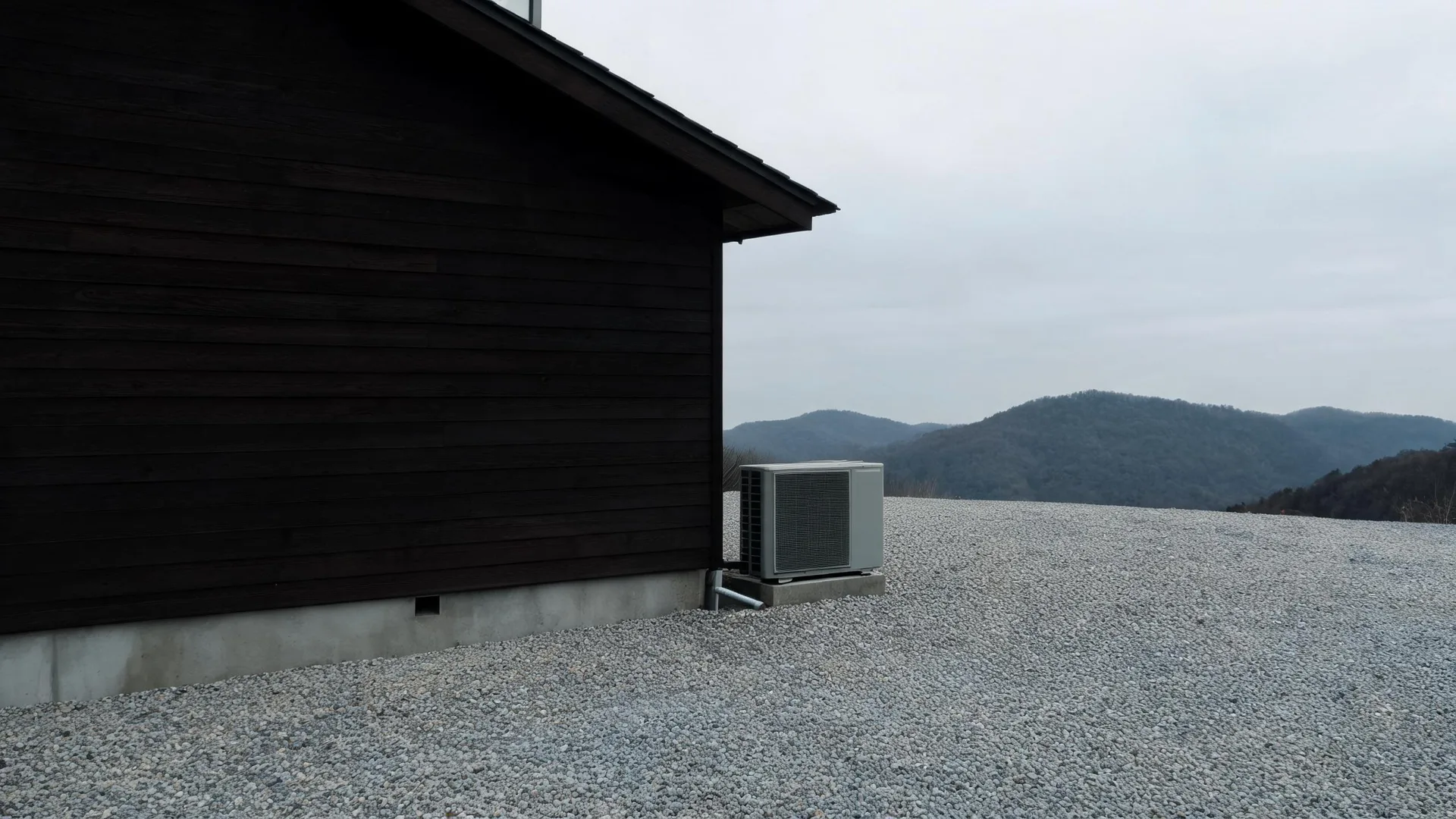
A heat pump running through a long Colorado winter asks the most of its reversing valve and refrigerant circuit, both of which cycle under load every time outdoor temperatures drop hard. Homes in Prowers County, CO run heat about seven months a year, from October through April. Cold air forces the system to work harder to extract heat, and that sustained effort shows up first in the compressor and the coil connections. A contractor diagnosing a repair here checks those components before anything else, because wear concentrates where the strain has been highest.
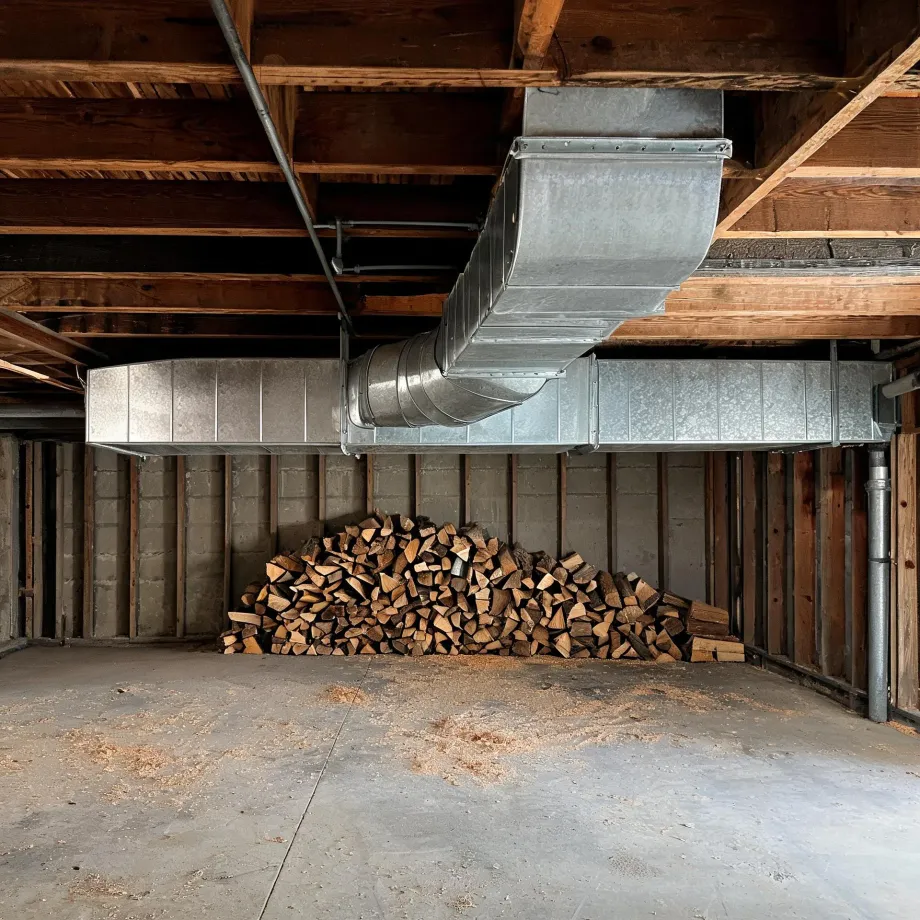
Ductwork in a house this old carries a history. Each time the heating or cooling system changed, the ducts were adapted rather than replaced, and a contractor opening a heat pump for repair finds that the leaks, the restrictions, and the pressure imbalances in those ducts shape what the equipment has been fighting for years. Half the homes in Prowers County, Colorado were built in 1971 or earlier (2020-2024 ACS 5-year). That means a refrigerant problem or a failing coil often has a companion issue buried in the duct runs, and a repair scoped only at the unit misses what put it under stress in the first place.
The Parts of a Heat Pump a Contractor Checks First
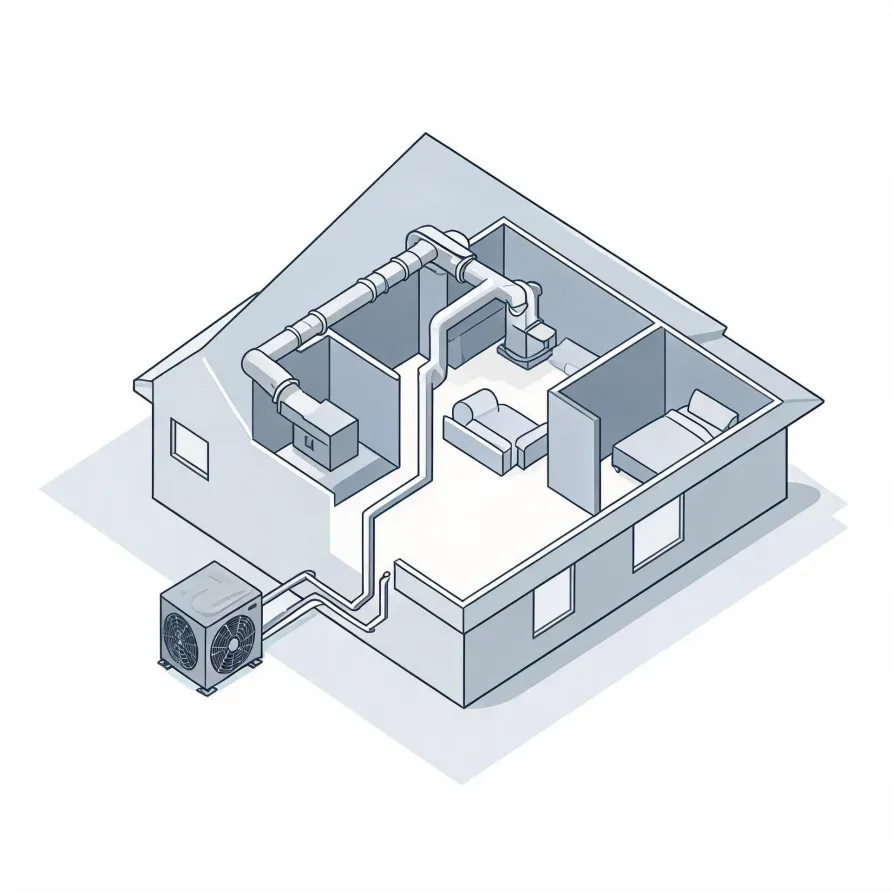
The outdoor unit holds the compressor and the condenser coil, and it sits on a pad outside the house. The compressor is where most mechanical failures start, so a contractor goes there early. The air handler lives inside, usually in a utility closet or attic, and pushes conditioned air through the home.
The reversing valve sits inside the outdoor unit and is what lets a heat pump move heat in either direction. When it sticks or fails, the system heats when it should cool or does neither. The expansion valve and refrigerant lines run between the two units, and a refrigerant leak anywhere along that path will show up in how the whole system performs.
The drawing shows the general layout of a heat pump system, and a licensed contractor determines what applies to your specific house.
Get matched in Prowers CountyProwers County, by the numbers
271 severe weather events were recorded in Prowers County, Colorado between 2015 and 2024.
NOAA National Centers for Environmental Information, Storm Events Database, bulk CSV export, events 2015-01-01 through 2024-12-31.Half the homes in Prowers County, Colorado were built in 1971 or earlier (2020-2024 ACS 5-year).
U.S. Census Bureau, 2020-2024 American Community Survey 5-Year EstimatesProwers County, Colorado holds 5,479 housing units (2020-2024 ACS 5-year).
U.S. Census Bureau, 2020-2024 American Community Survey 5-Year EstimatesOwners occupy 67.1% of the occupied homes in Prowers County, Colorado (2020-2024 ACS 5-year).
U.S. Census Bureau, 2020-2024 American Community Survey 5-Year EstimatesSevere Weather Events in Prowers County
Prowers County weather puts real stress on heat pump systems, which run year-round and respond directly to outdoor conditions. Repair needs here track closely with what the climate demands of the equipment.
271 severe weather events, 2015–2024. Source: NOAA National Centers for Environmental Information, Storm Events Database.