Tell us about the job
Takes about a minute. No obligation.
Homes in Otero County, CO run heat about seven months a year, from October through April. A heat pump runs its refrigerant circuit and reversing valve hard through every heating cycle, and the colder it gets outside, the harder the system works to pull heat from the air. By the time a homeowner calls for a repair, the reversing valve, the coil contacts, and the refrigerant circuit have already carried a heavy cumulative load. A contractor scoping the job prices those components first, because that is where the season's work shows up.
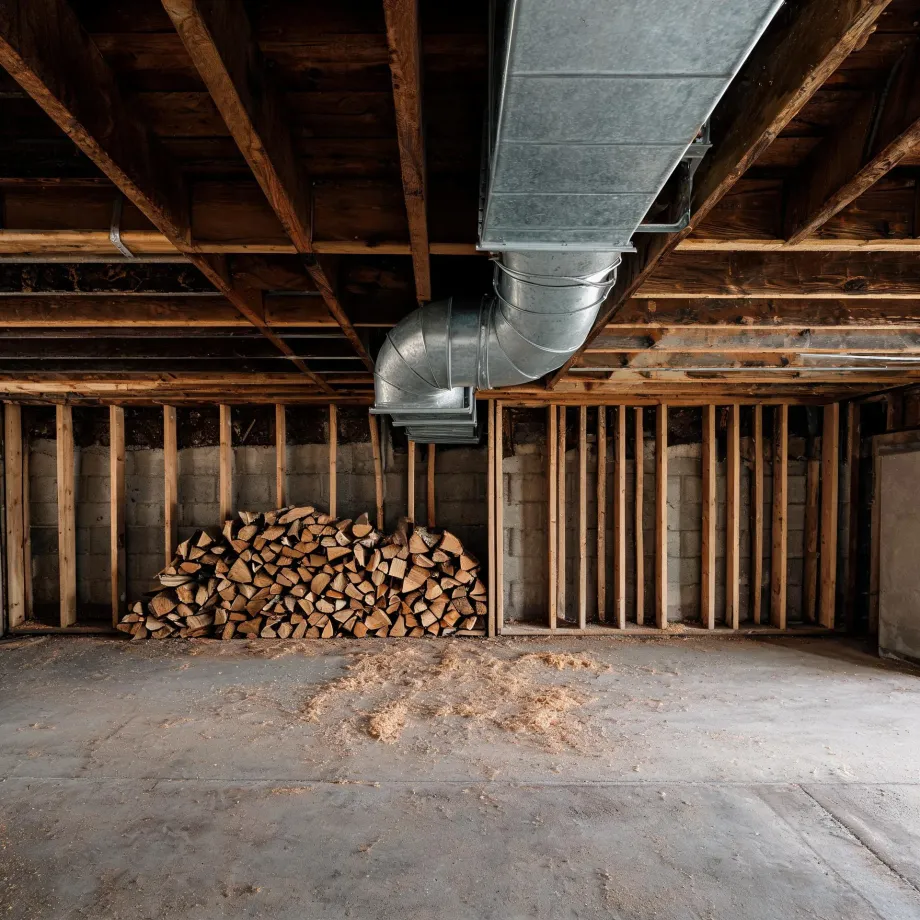
Repair work on a heat pump turns on what the opened system actually contains and whether parts for it are still manufactured. Half the homes in Otero County, Colorado were built in 1958 or earlier (2020-2024 ACS 5-year). A unit running in a house that old was either installed decades after the house was built, or it has been replaced at least once since then, which means it may still be a generation behind current production runs. When a contractor pulls a failed board, a reversing valve, or a refrigerant-side component and finds the part number discontinued or on long lead time, the repair scope changes, and so does what comes back on the quote.
The Parts of a Heat Pump a Contractor Checks First
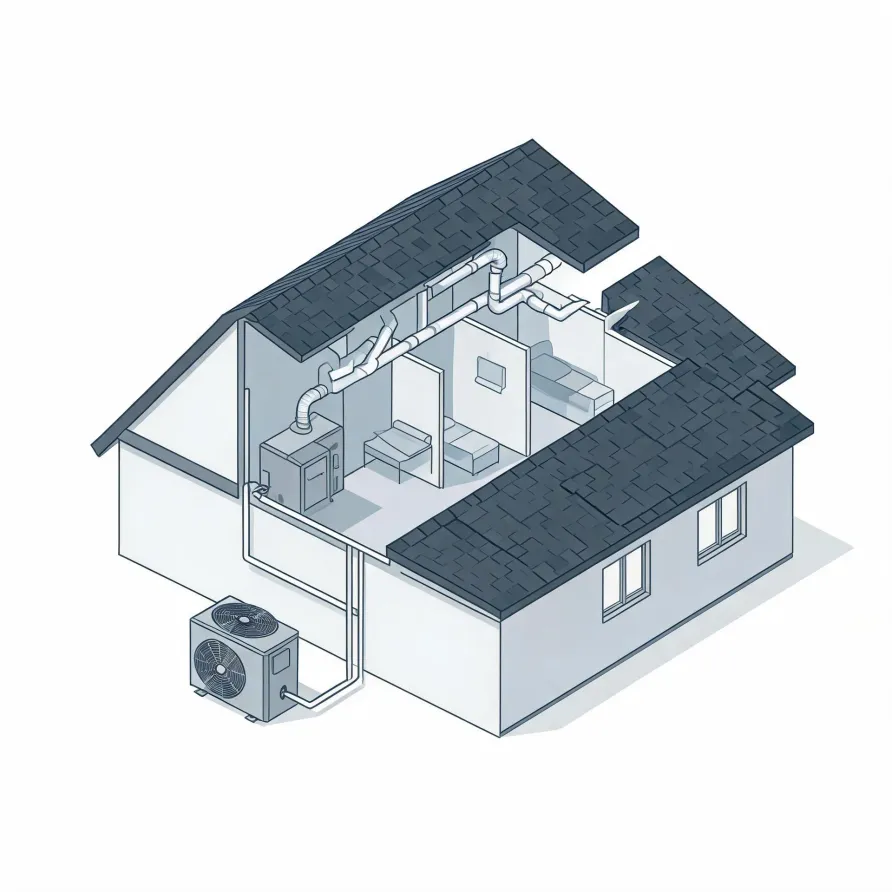
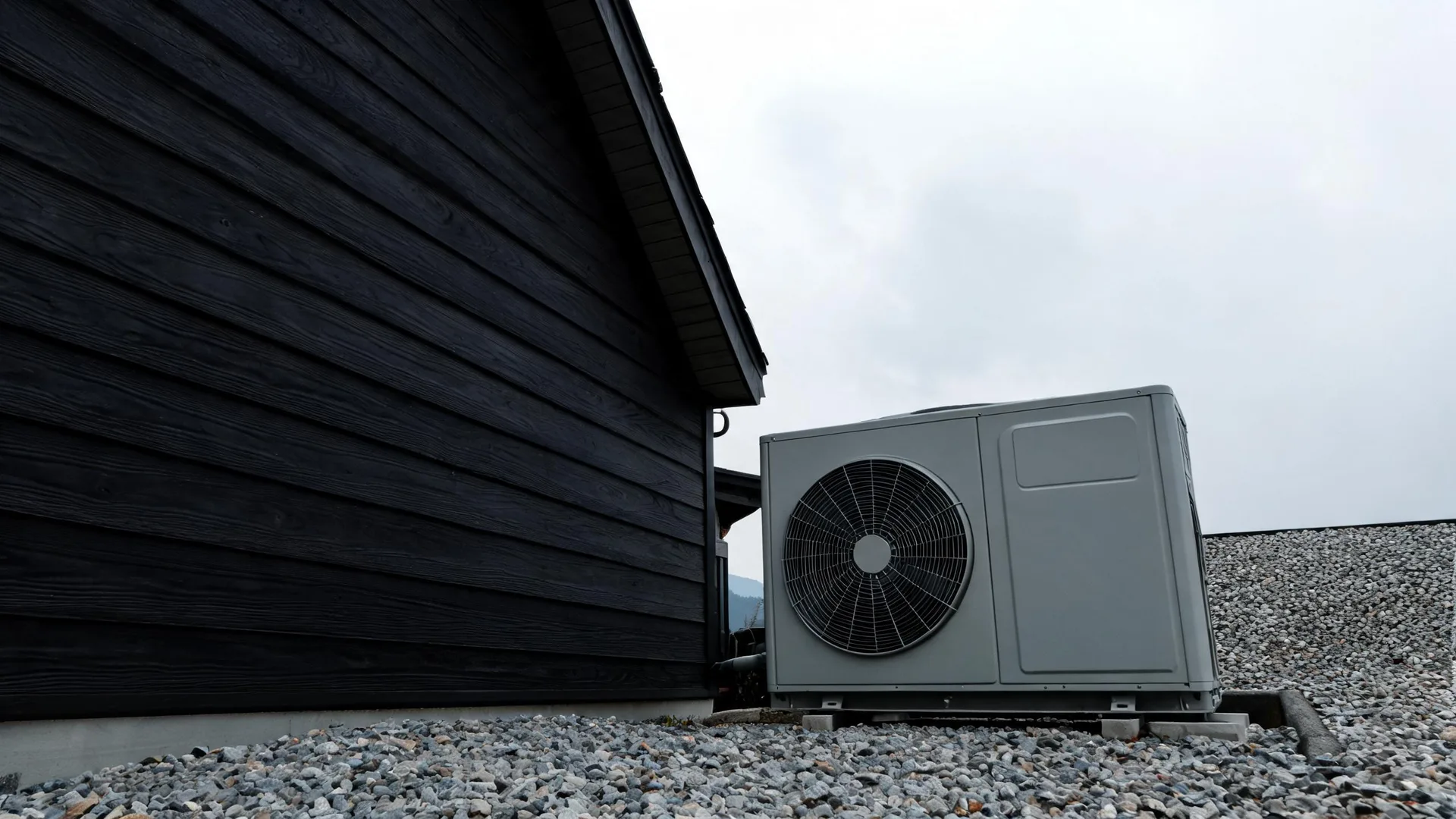
The outdoor unit is usually where a diagnosis begins. It houses the compressor, which drives the whole system, and the coil that absorbs or releases heat depending on the season. A refrigerant leak, a failed capacitor, or a seized compressor will all show up here first, and a contractor will open this cabinet before moving inside.
The indoor air handler sits inside the home, typically in a utility closet, basement, or attic, and it holds the coil that conditions the air moving into your living space along with the blower that pushes that air through. The refrigerant line set runs between the two units, and the thermostat on your wall tells the whole system when to run. Any of these can be the source of a problem.
The drawing shows a general layout of the system, and a licensed contractor determines what applies to your particular home and equipment.
Get matched in Otero CountyOtero County, by the record
160 severe weather events were recorded in Otero County, Colorado between 2015 and 2024.
NOAA National Centers for Environmental Information, Storm Events Database, bulk CSV export, events 2015-01-01 through 2024-12-31.Half the homes in Otero County, Colorado were built in 1958 or earlier (2020-2024 ACS 5-year).
U.S. Census Bureau, 2020-2024 American Community Survey 5-Year EstimatesOtero County, Colorado holds 8,746 housing units (2020-2024 ACS 5-year).
U.S. Census Bureau, 2020-2024 American Community Survey 5-Year EstimatesOwners occupy 68.9% of the occupied homes in Otero County, Colorado (2020-2024 ACS 5-year).
U.S. Census Bureau, 2020-2024 American Community Survey 5-Year EstimatesSevere Weather Events in Otero County
Otero County's climate puts real demands on heat pump equipment, and weather extremes are a direct driver of wear, failure, and repair calls. How hard the weather pushes here shapes how hard the equipment works.
160 severe weather events, 2015–2024. Source: NOAA National Centers for Environmental Information, Storm Events Database.