Tell us about the job
Takes about a minute. No obligation.
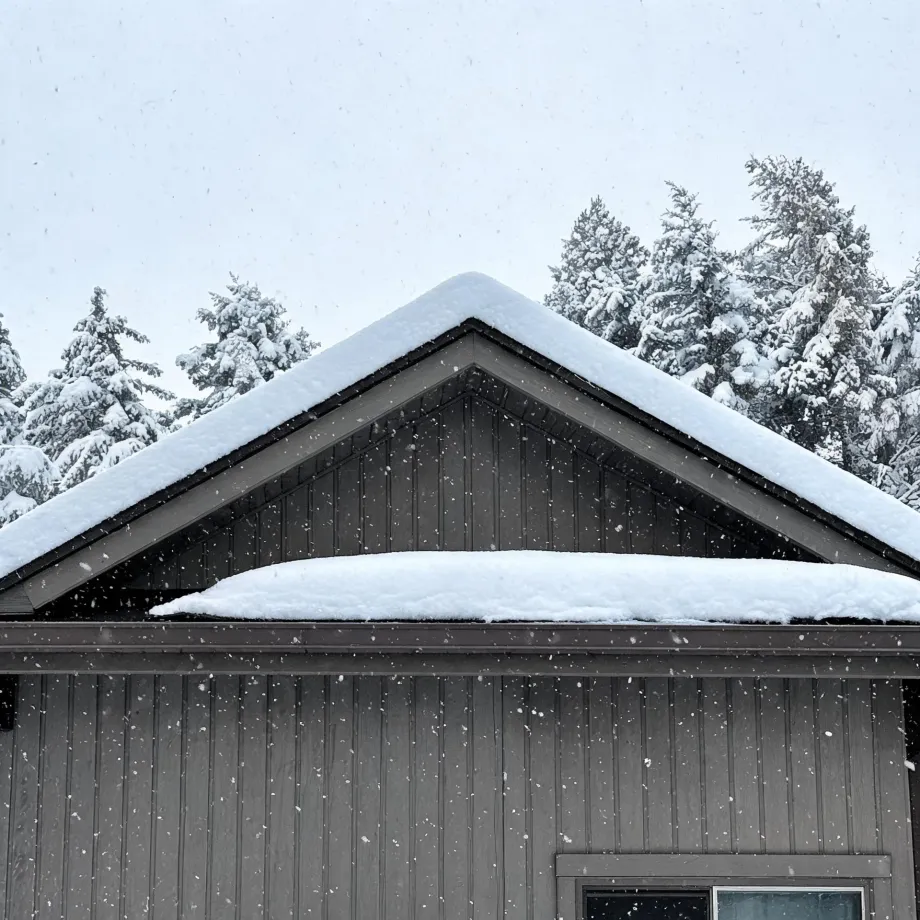
Sizing a heat pump for Prowers County means working out what happens to its output when outdoor temperatures drop hardest, not just what the unit is rated for on paper. Homes in Prowers County, CO run heat about seven months a year, from October through April. A heat pump's heating capacity falls as the air outside gets colder, so a system that tests fine in mild weather can fall short in January, leaving the backup electric resistance coil to carry a load it was sized to handle only occasionally. A contractor quoting this job has to run a proper load calculation against the coldest days on record here, then confirm that backup heat is correctly sized to fill the gap the heat pump cannot.
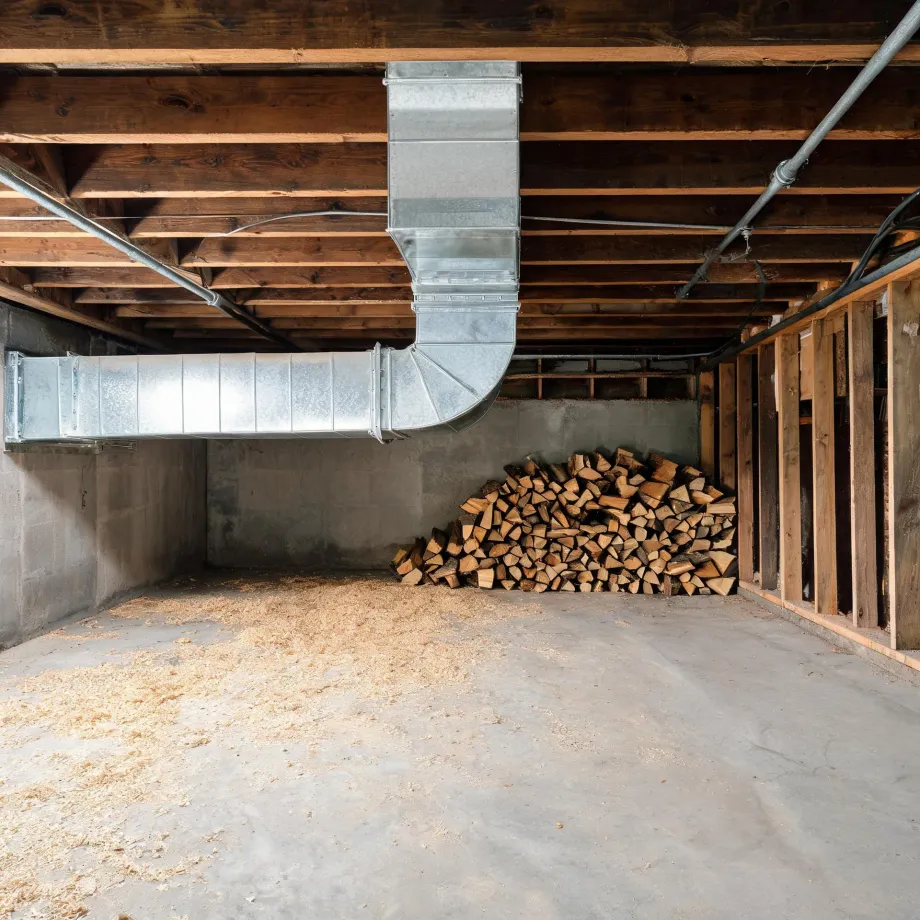
Ductwork laid in for one kind of system and later pressed into service for another is what a contractor finds in much of this county's housing stock. Half the homes in Prowers County, Colorado were built in 1971 or earlier (2020-2024 ACS 5-year). That history matters at the installation stage because the duct runs, their sizing, and the electrical service panel were all built around whatever was running then. A heat pump draws differently and moves air differently, so the question a contractor has to answer before quoting the unit is whether what is already in the house will carry it. The existing infrastructure sets the scope.
What Gets Installed With a New Heat Pump
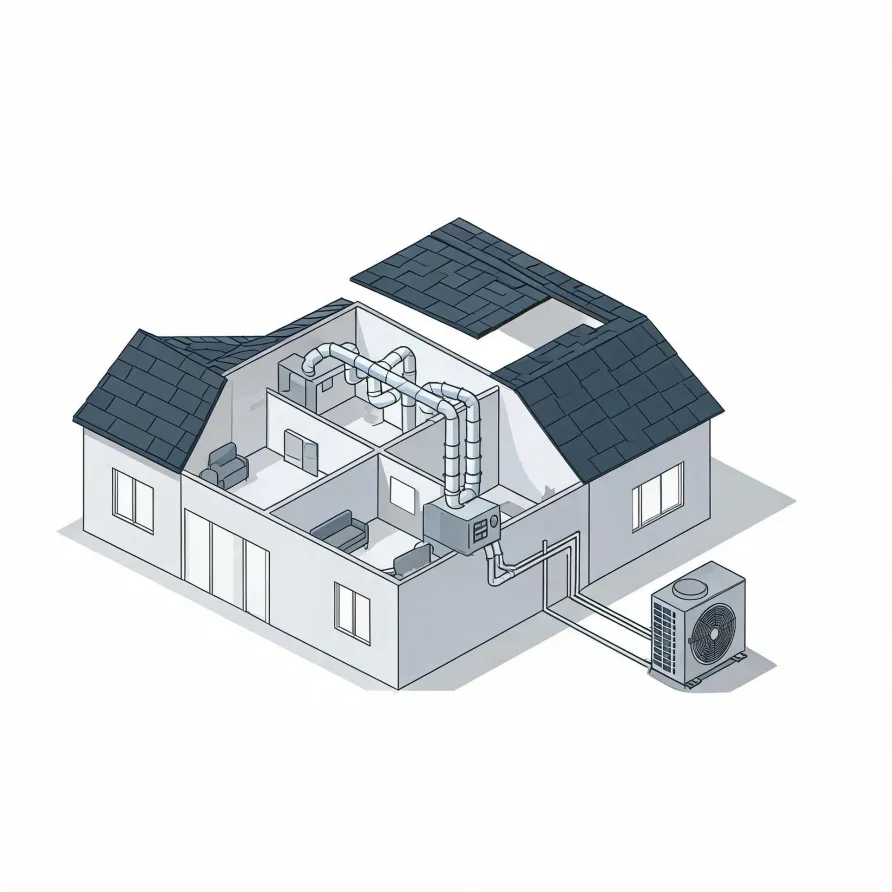
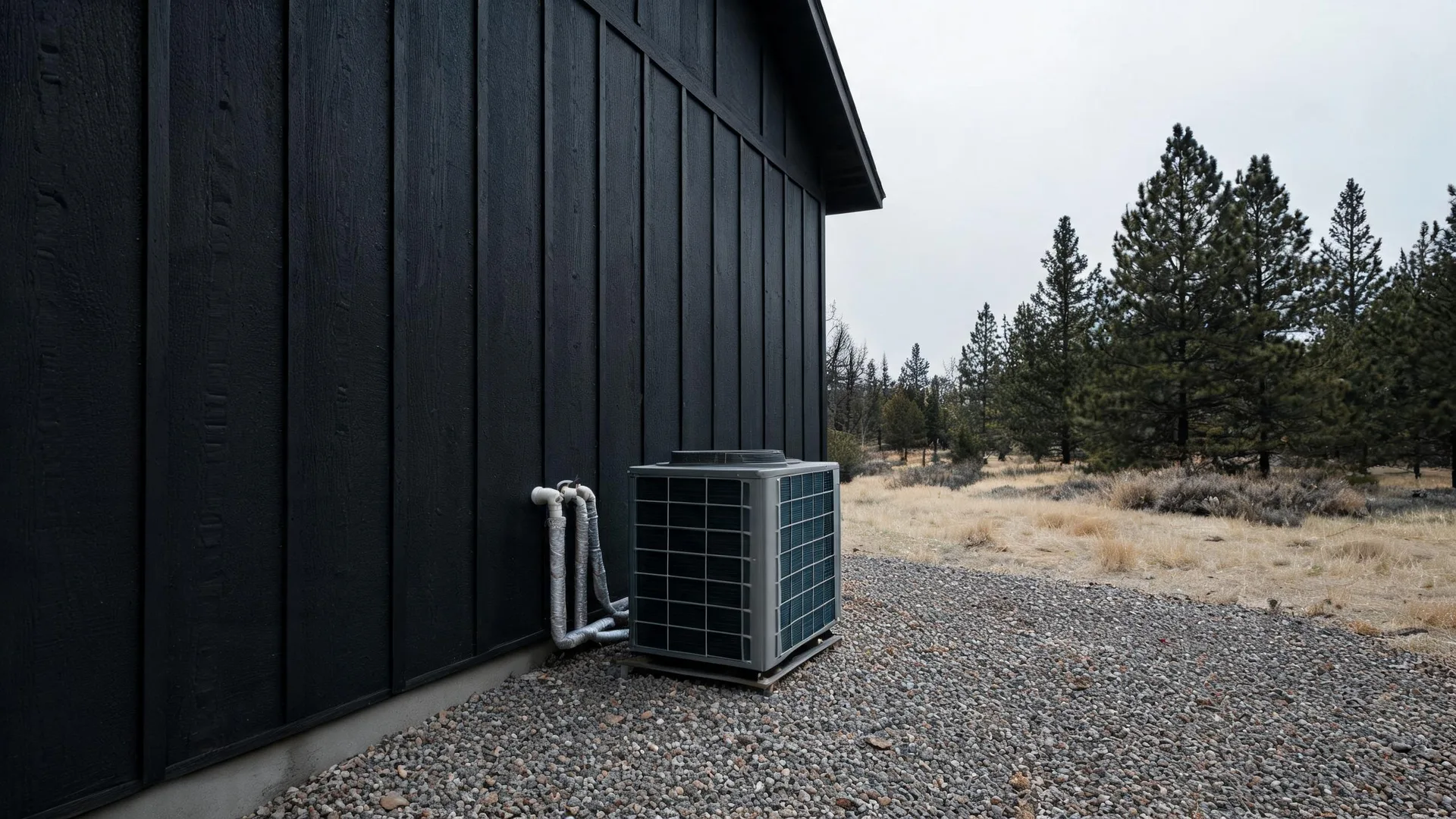
The outdoor unit is the piece most homeowners notice first. It sits on a pad outside the house and holds the compressor and one set of coils. Inside, the air handler mounts in a mechanical room, closet, or attic and contains the second set of coils along with the blower that moves conditioned air through the home.
A refrigerant line set runs between the two units, connecting the outdoor and indoor sides of the system. A thermostat goes on an interior wall and gives the homeowner control over temperature. Some installations also include an auxiliary heat strip inside the air handler to supplement output on the coldest days.
The drawing shows a typical layout, and a licensed contractor determines exactly what goes where based on the specifics of your house.
Get matched in Prowers CountyProwers County, by the numbers
271 severe weather events were recorded in Prowers County, Colorado between 2015 and 2024.
NOAA National Centers for Environmental Information, Storm Events Database, bulk CSV export, events 2015-01-01 through 2024-12-31.Half the homes in Prowers County, Colorado were built in 1971 or earlier (2020-2024 ACS 5-year).
U.S. Census Bureau, 2020-2024 American Community Survey 5-Year EstimatesProwers County, Colorado holds 5,479 housing units (2020-2024 ACS 5-year).
U.S. Census Bureau, 2020-2024 American Community Survey 5-Year EstimatesOwners occupy 67.1% of the occupied homes in Prowers County, Colorado (2020-2024 ACS 5-year).
U.S. Census Bureau, 2020-2024 American Community Survey 5-Year EstimatesSevere Weather Events in Prowers County
Outdoor conditions drive how hard a heat pump works and how long its components last. The weather history here shapes what the right equipment looks like for this area.
271 severe weather events, 2015–2024. Source: NOAA National Centers for Environmental Information, Storm Events Database.