Tell us about the job
Takes about a minute. No obligation.
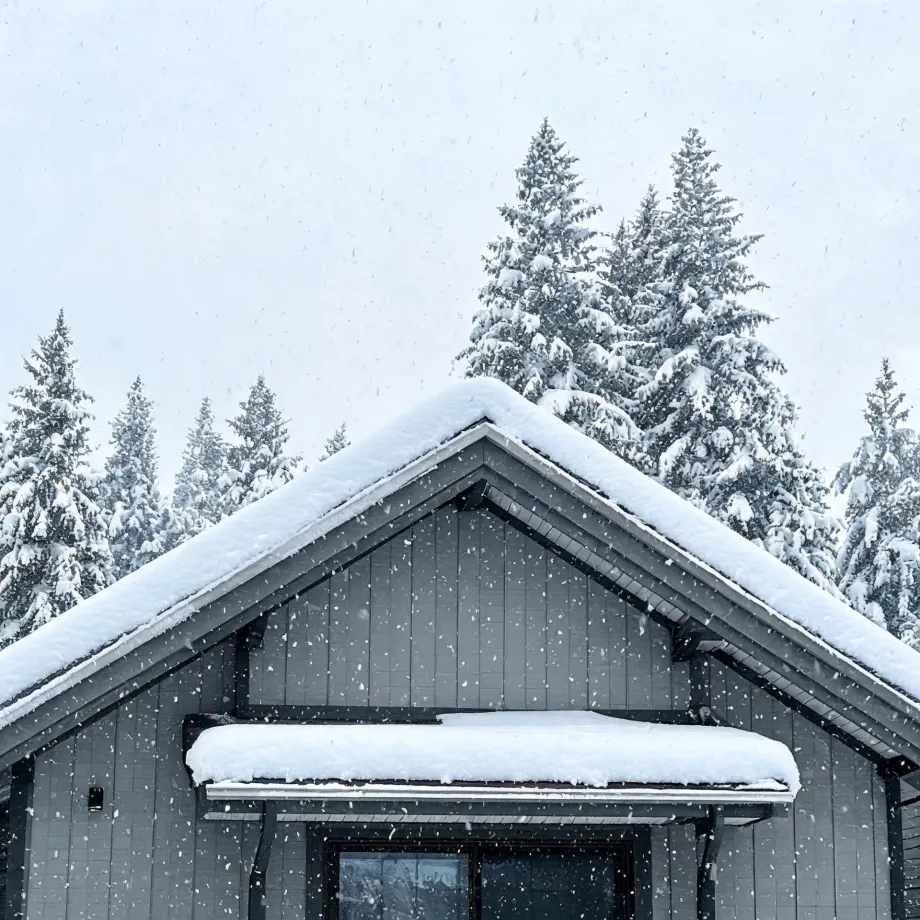
On a repair call in Eagle County, a contractor starts at the compressor and the refrigerant circuit before anything else. Homes in Eagle County, CO run heat about eleven months a year, from August through June. A heat pump running through cold mountain winters works its hardest when outdoor temperatures drop, which is exactly when its capacity falls and its compressor cycles most frequently under load. Bearings, contactors, and reversing valves carry that cumulative stress. By the time a homeowner notices a fault, those parts have already logged a full season's worth of hard starts.
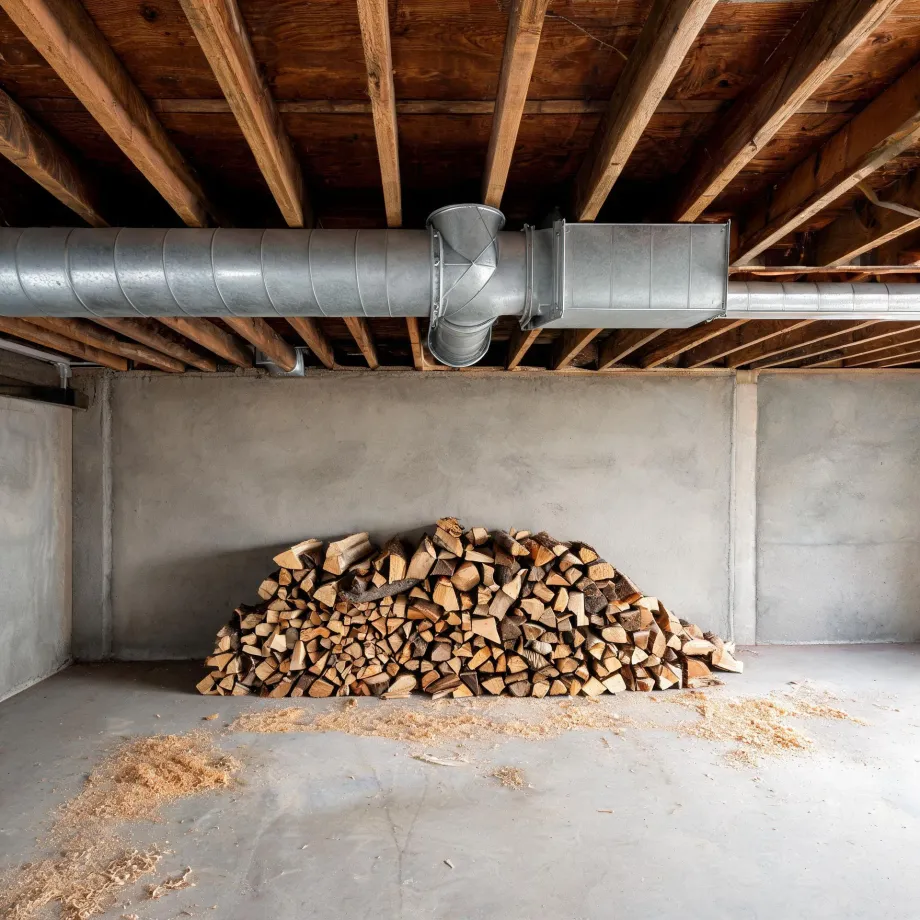
Parts availability is where heat pump repairs in Eagle County hit their real friction. Half the homes in Eagle County, Colorado were built in 1993 or earlier (2020-2024 ACS 5-year). Equipment installed into houses of that age went in as a retrofit, which means the systems running now have accumulated years of their own on top of the house's years. When a contractor opens a unit, what slows the job is finding that the failed component takes a part that manufacturers stopped producing, or that the replacement ships on a long lead. The repair scope follows from what is actually inside the cabinet.
The Parts of a Heat Pump a Contractor Checks First
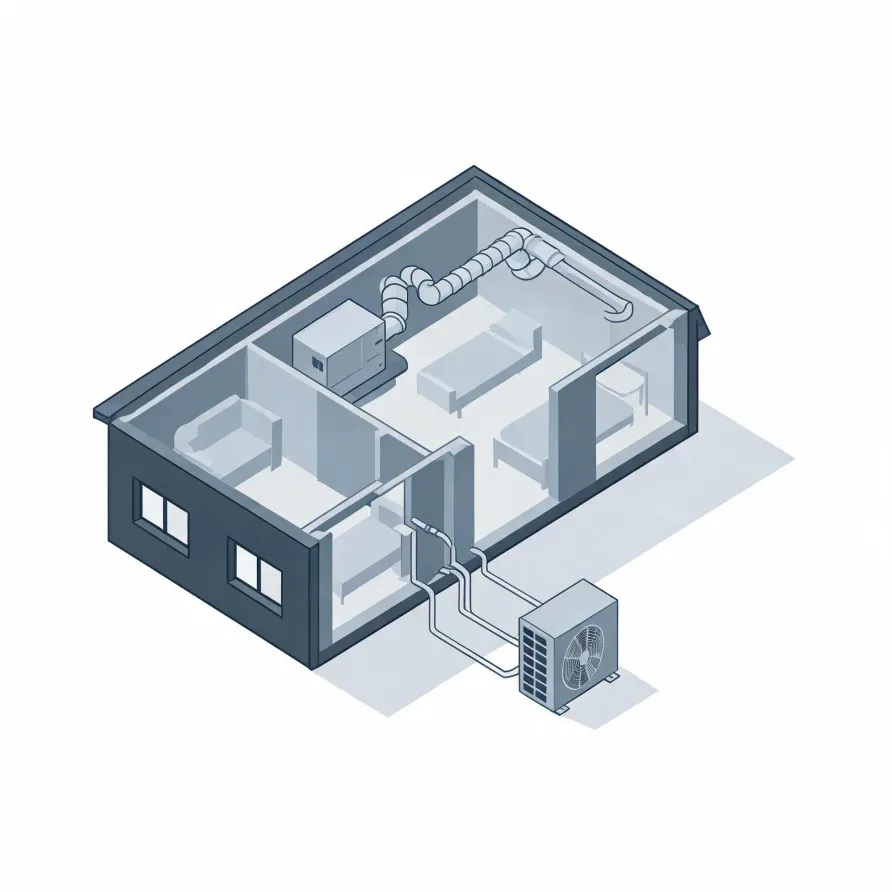
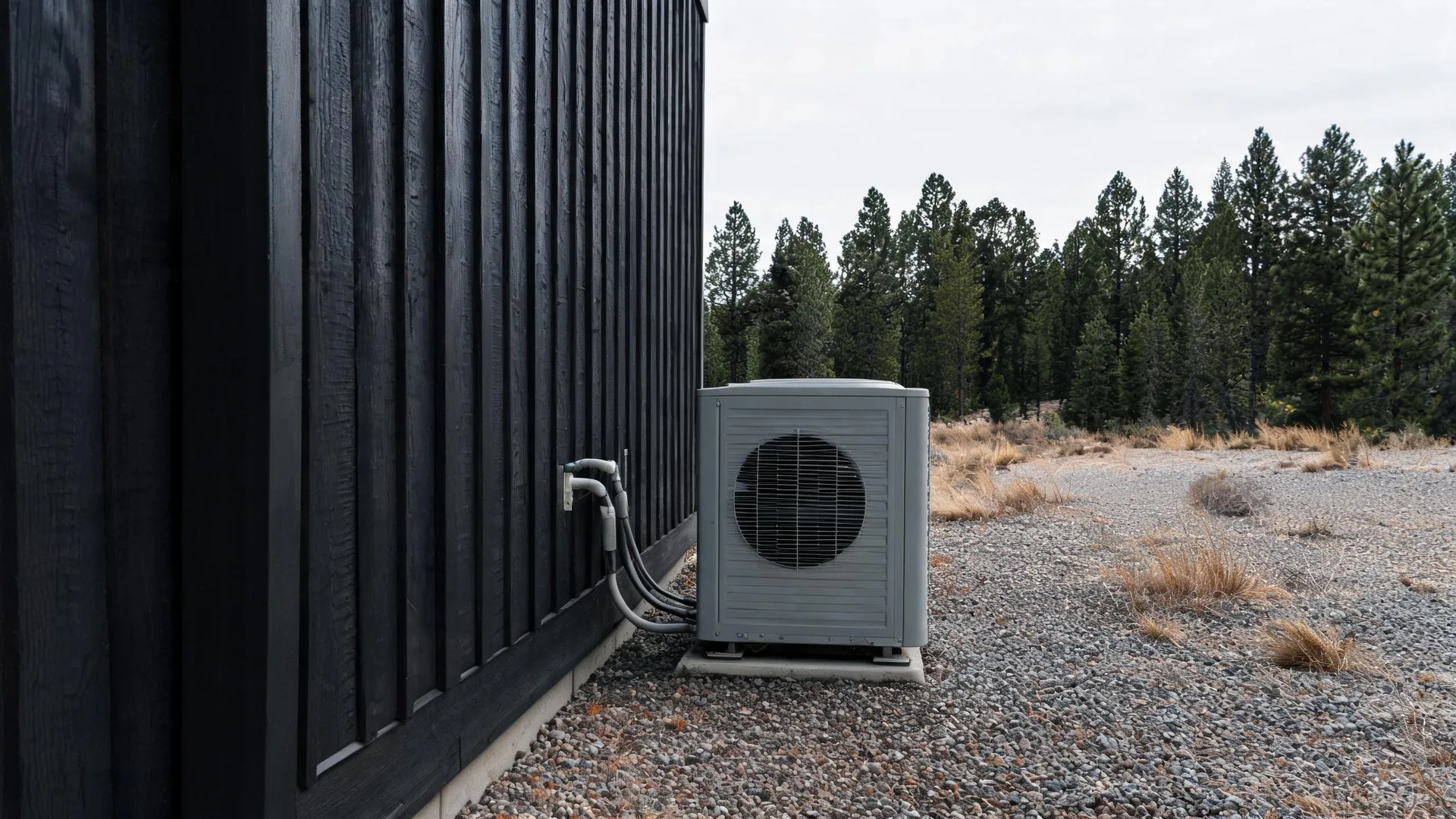
The outdoor unit is the piece most homeowners recognize first, sitting on a concrete pad or wall bracket outside the house. It holds the compressor and the outdoor coil, and when either one fails, the system stops moving heat in or out. The compressor is where a contractor looks early, because a hard fault there explains a lot of symptoms at once.
Inside, the air handler sits in a utility closet, attic, or basement and pushes conditioned air through the home. It contains the indoor coil and the blower motor, both of which show up in repair diagnoses. The reversing valve, which lives in the outdoor unit, is another part a contractor checks when the system heats in one mode but not the other.
The drawing shows a typical layout, and a licensed contractor determines which components apply to your specific house and system.
Get matched in Eagle CountyEagle County, Colorado, by the numbers
158 severe weather events were recorded in Eagle County, Colorado between 2015 and 2024.
NOAA National Centers for Environmental Information, Storm Events Database, bulk CSV export, events 2015-01-01 through 2024-12-31.Half the homes in Eagle County, Colorado were built in 1993 or earlier (2020-2024 ACS 5-year).
U.S. Census Bureau, 2020-2024 American Community Survey 5-Year EstimatesEagle County, Colorado holds 33,915 housing units (2020-2024 ACS 5-year).
U.S. Census Bureau, 2020-2024 American Community Survey 5-Year EstimatesOwners occupy 65.9% of the occupied homes in Eagle County, Colorado (2020-2024 ACS 5-year).
U.S. Census Bureau, 2020-2024 American Community Survey 5-Year EstimatesWeather Stress on HVAC Equipment in Eagle County
Heat pumps work against whatever the outdoor air throws at them, so local weather history is part of understanding why equipment wears the way it does. Repair needs in Eagle County follow real patterns, and those patterns start outside.
158 severe weather events, 2015–2024. Source: NOAA National Centers for Environmental Information, Storm Events Database.