Tell us about the job
Takes about a minute. No obligation.
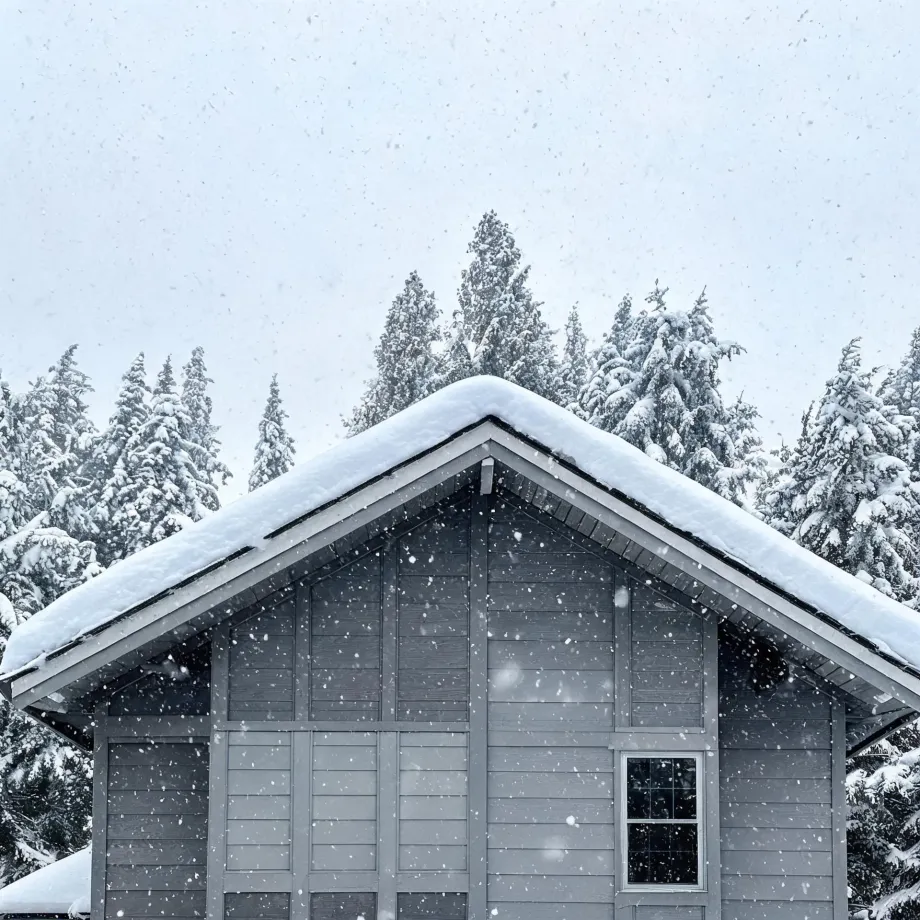
A heat pump in this county runs its compressor and reversing valve through both a long heating season and a real cooling season, and the failure modes from each direction can look similar on a first inspection. Homes in Larimer County, CO run heat about ten months a year, from September through June. That means a contractor diagnosing a refrigerant leak or a capacity loss has to establish which operating mode drove the fault, because a valve that degrades under heating load fails differently from one that was stressed by summer cycling. The repair scope follows from that finding.
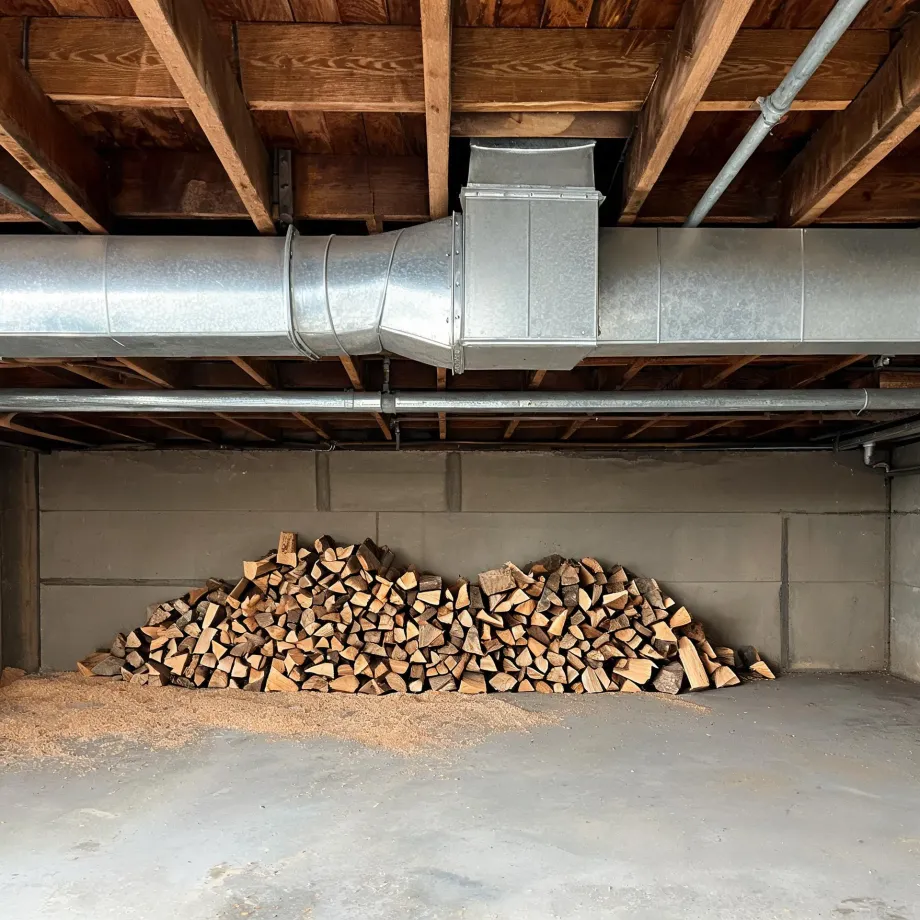
Half the homes in Larimer County, Colorado were built in 1993 or earlier (2020-2024 ACS 5-year). A house carrying a heat pump installed well after it was built may have had its refrigerant lines, electrical connections, and service access adapted to fit what was put in later. When a contractor opens the unit, what they find inside reflects those layered decisions: parts chosen for a predecessor system, fittings adapted rather than matched, and components whose manufacturer support now has to be checked before the repair scope is fixed. In stock like this, the quote follows what the opened unit contains.
The Parts of a Heat Pump a Contractor Checks First
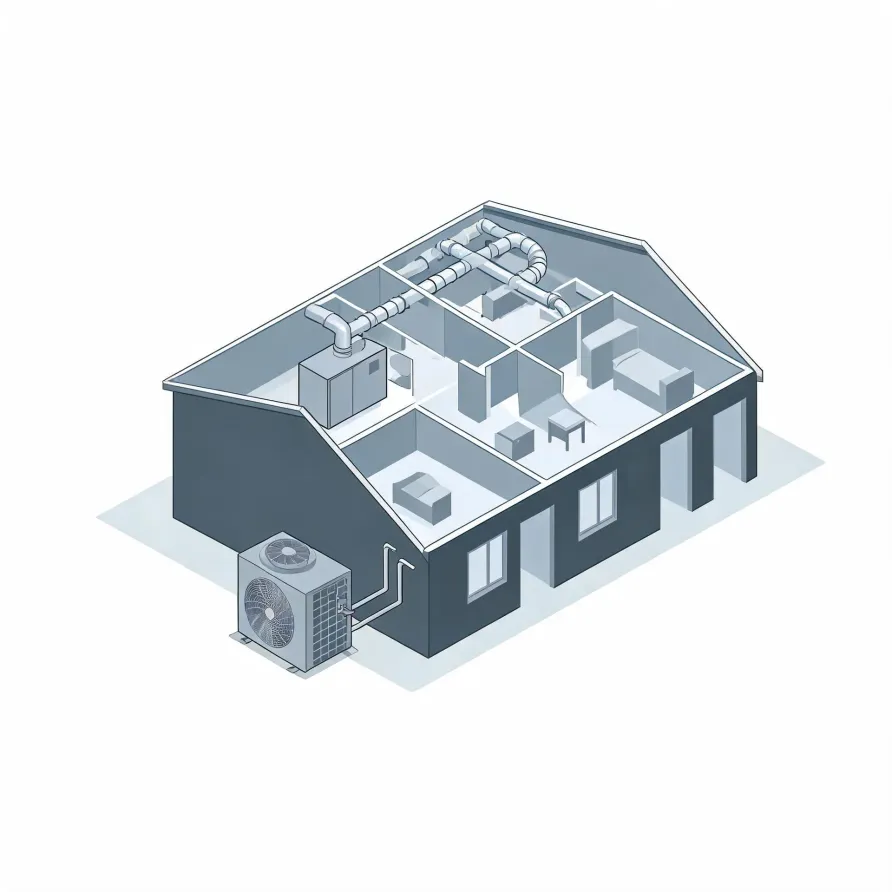
The outdoor unit sits outside the house and holds the compressor and condenser coil, the two components that do the heaviest work in the system. When a heat pump stops heating or cooling properly, or makes noise it did not make before, the compressor and the coil are where a contractor starts.
The air handler lives inside, usually in a utility closet or attic, and moves conditioned air through the house. The expansion valve and refrigerant lines connect the two units, and the thermostat tells the whole system what to do. A fault in any of these can produce symptoms that look like a bigger problem than they are.
The drawing shows a typical layout, and a licensed contractor determines what applies to your specific home and equipment.
Get matched in Larimer CountyLarimer County, by the numbers
359 severe weather events were recorded in Larimer County, Colorado between 2015 and 2024.
NOAA National Centers for Environmental Information, Storm Events Database, bulk CSV export, events 2015-01-01 through 2024-12-31.Half the homes in Larimer County, Colorado were built in 1993 or earlier (2020-2024 ACS 5-year).
U.S. Census Bureau, 2020-2024 American Community Survey 5-Year EstimatesLarimer County, Colorado holds 164,690 housing units (2020-2024 ACS 5-year).
U.S. Census Bureau, 2020-2024 American Community Survey 5-Year EstimatesOwners occupy 64.0% of the occupied homes in Larimer County, Colorado (2020-2024 ACS 5-year).
U.S. Census Bureau, 2020-2024 American Community Survey 5-Year EstimatesSevere Weather Events in Larimer County
Extreme weather puts heat pumps under strain, and the pattern of that strain is local. How hard a system works, and how often it gets pushed to its limits, shapes what wears out and when a repair call becomes necessary.
359 severe weather events, 2015–2024. Source: NOAA National Centers for Environmental Information, Storm Events Database.