Tell us about the job
Takes about a minute. No obligation.
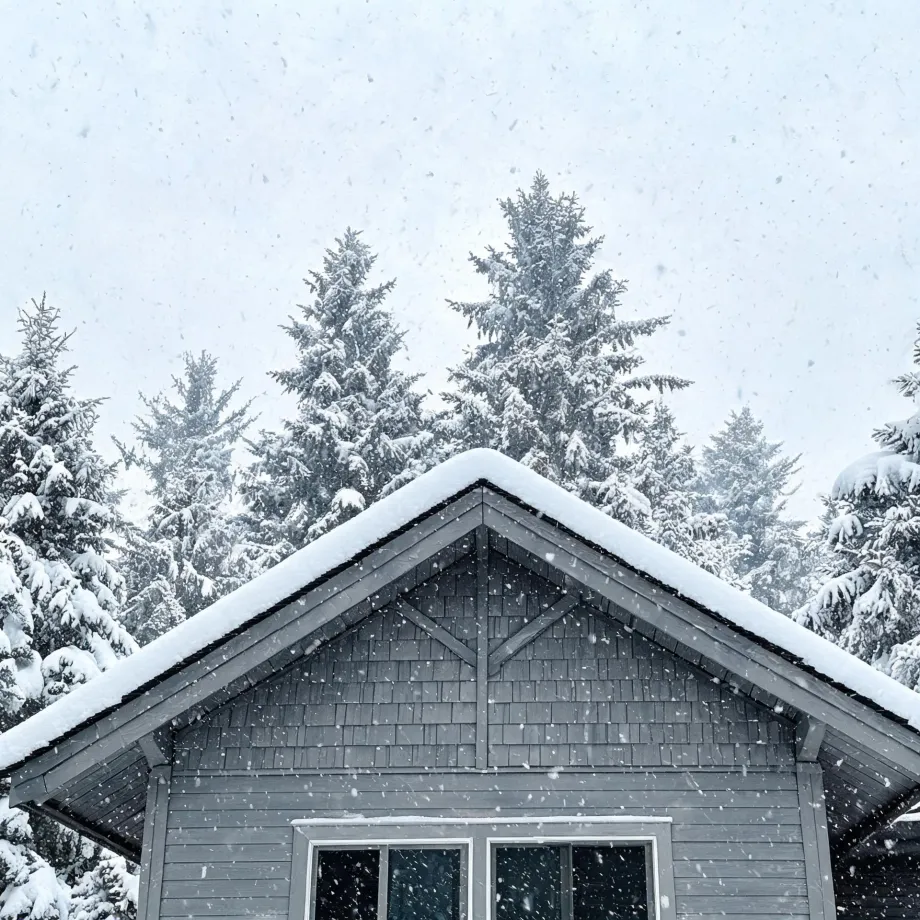
Sizing a heat pump for Logan County starts with what the heating load actually asks of the equipment. Homes in Logan County, CO run heat about eight months a year, from October through May. A heat pump's capacity drops as outdoor temperatures fall, and a system that is undersized for this county's cold months will lean on its backup heating element through stretches where it should be handling the load on its own. A contractor pricing an install here has to run a full load calculation before specifying equipment, because the heating side of the duty cycle is what drives both the unit selection and the backup heat sizing.
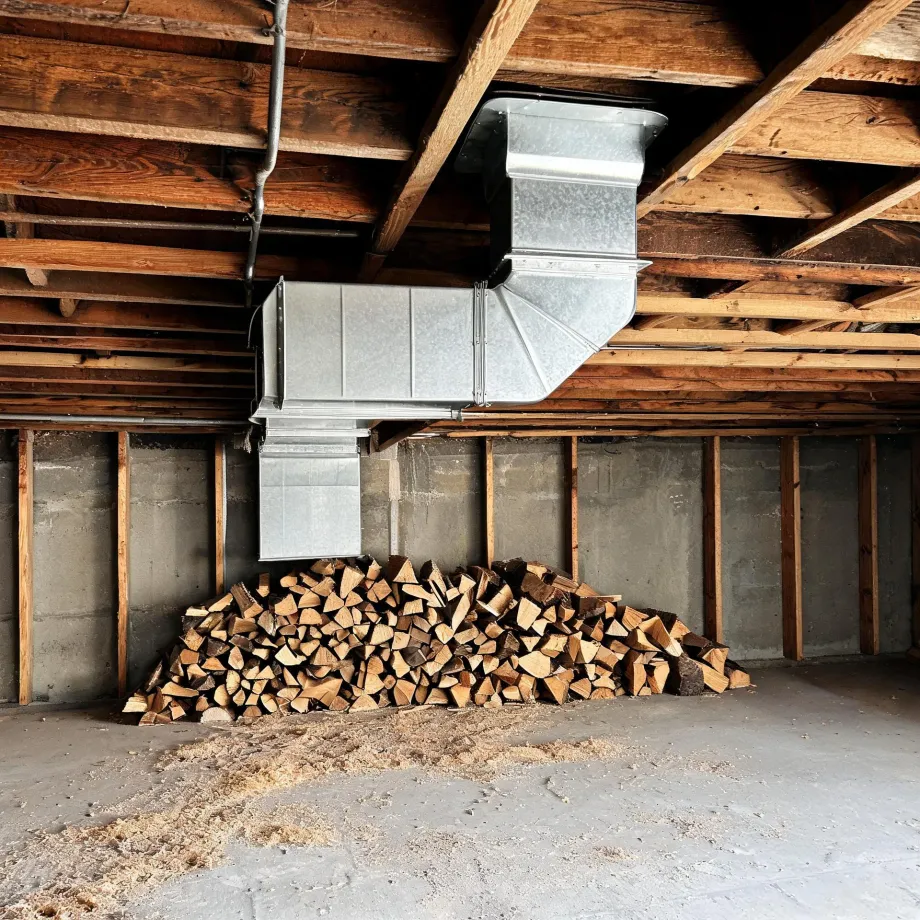
Ductwork laid out for a furnace and window units does not automatically carry a heat pump. The routing, the sizing, and what the electrical service was originally built to handle all have to be checked before a contractor can commit to what the installation actually requires. Half the homes in Logan County, Colorado were built in 1964 or earlier (2020-2024 ACS 5-year). That vintage of construction was built around different equipment entirely, so what a contractor finds behind the walls and in the panel shapes the job more directly than the unit a homeowner picks out.
What Gets Installed With a New Heat Pump
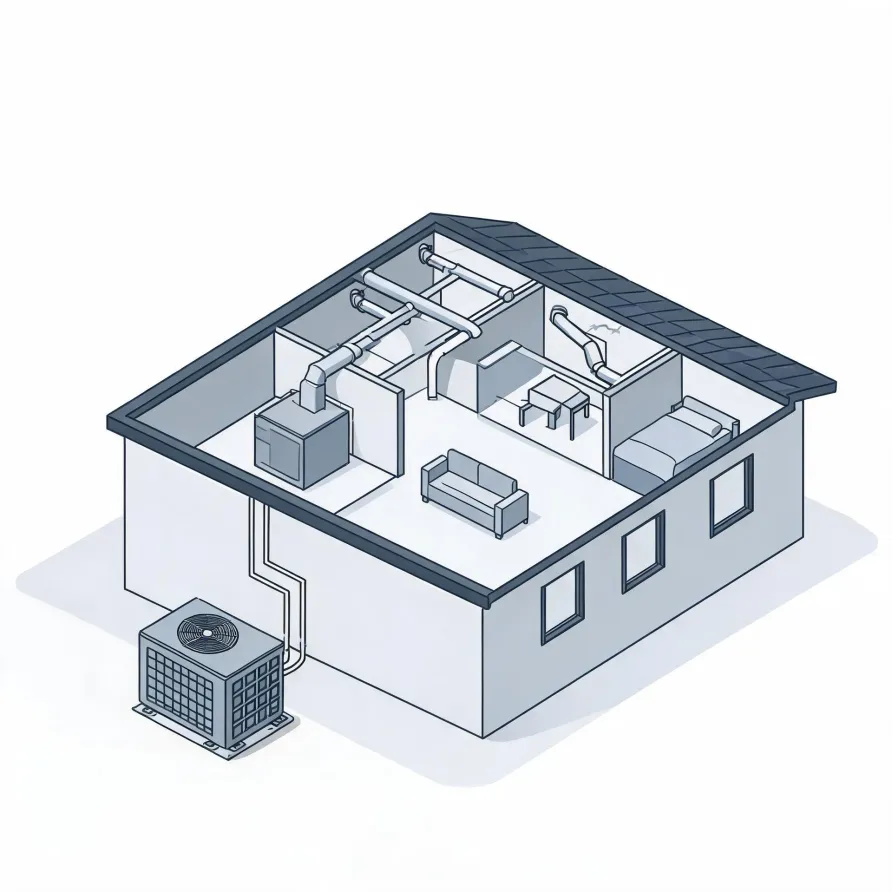
The outdoor unit is the piece most homeowners notice first. It sits on a pad beside the house and holds the compressor and the outdoor coil, the two components that do the heaviest work in the system. Inside, the air handler or furnace with a coil attached mounts in a utility space, attic, or basement and moves conditioned air through the home.
A refrigerant line set runs between the outdoor unit and the indoor unit, connecting the two halves of the system through the wall or floor. A thermostat goes on an interior wall and gives the homeowner control over the whole system. Some installations also include a disconnect box mounted near the outdoor unit.
The drawing shows a typical layout, and a licensed contractor determines what applies to your specific home.
Get matched in Logan CountyLogan County by the numbers
289 severe weather events were recorded in Logan County, Colorado between 2015 and 2024.
NOAA National Centers for Environmental Information, Storm Events Database, bulk CSV export, events 2015-01-01 through 2024-12-31.Half the homes in Logan County, Colorado were built in 1964 or earlier (2020-2024 ACS 5-year).
U.S. Census Bureau, 2020-2024 American Community Survey 5-Year EstimatesLogan County, Colorado holds 8,741 housing units (2020-2024 ACS 5-year).
U.S. Census Bureau, 2020-2024 American Community Survey 5-Year EstimatesOwners occupy 66.3% of the occupied homes in Logan County, Colorado (2020-2024 ACS 5-year).
U.S. Census Bureau, 2020-2024 American Community Survey 5-Year EstimatesSevere Weather Events in Logan County
Weather puts real demands on heating and cooling equipment, and those demands are specific to where you live. A heat pump sized and installed for Logan County's conditions handles the workload that local weather actually places on it.
289 severe weather events, 2015–2024. Source: NOAA National Centers for Environmental Information, Storm Events Database.