Tell us about the job
Takes about a minute. No obligation.
Sizing a heat pump for Lake County means solving a harder problem than most installations face, because capacity drops as outdoor temperatures fall and the backup heat that fills the gap draws far more power than the primary system. Homes in Lake County, CO run heat in every month of the year. A contractor has to establish the coldest design conditions this house actually sees before they can set equipment size or specify the backup stage, and those two decisions travel together. Get either one wrong and the homeowner ends up with a system that leans on resistance heat through the coldest stretches, which is a different operating cost than the one the quote implied.
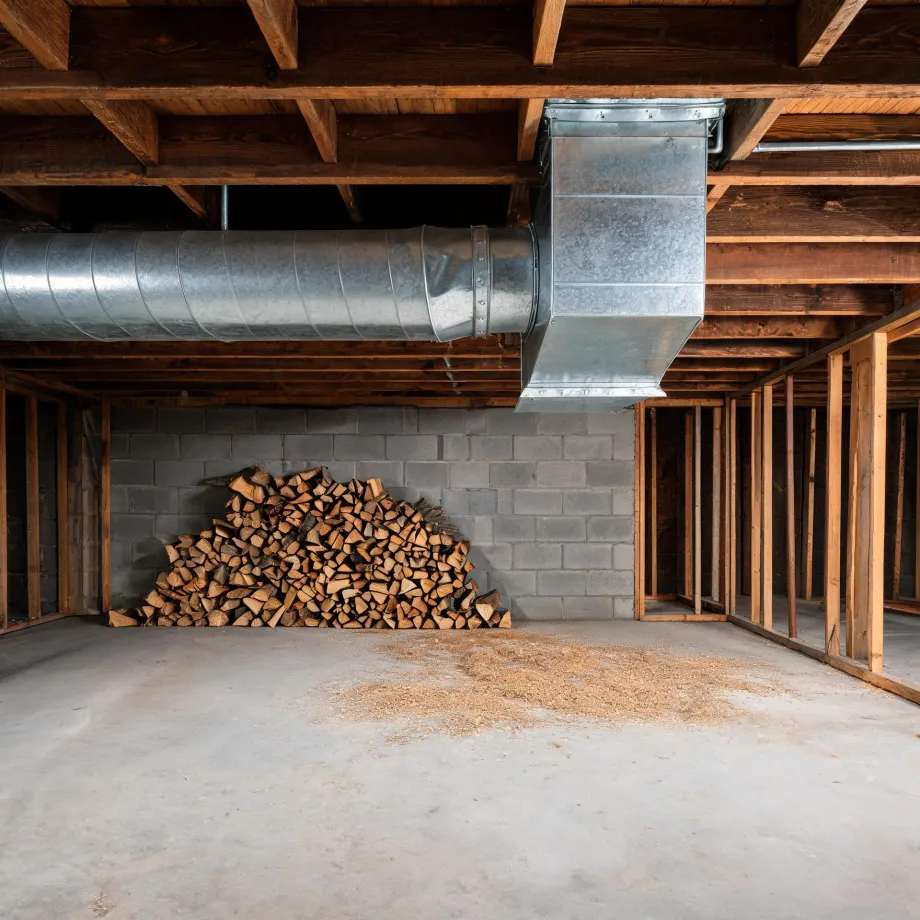
Older ductwork is the variable that decides how a heat pump installation goes here. Half the homes in Lake County, Colorado were built in 1972 or earlier (2020-2024 ACS 5-year). Ducting laid down for the systems running in those homes was routed, sized, and sealed around equipment that has since been replaced, and what is behind the walls reflects those original decisions. A contractor working in this stock measures what is actually there before anything else gets priced, because ductwork that cannot carry the airflow a new unit demands has to be modified, and that work shapes the rest of the job.
What Gets Installed With a New Heat Pump
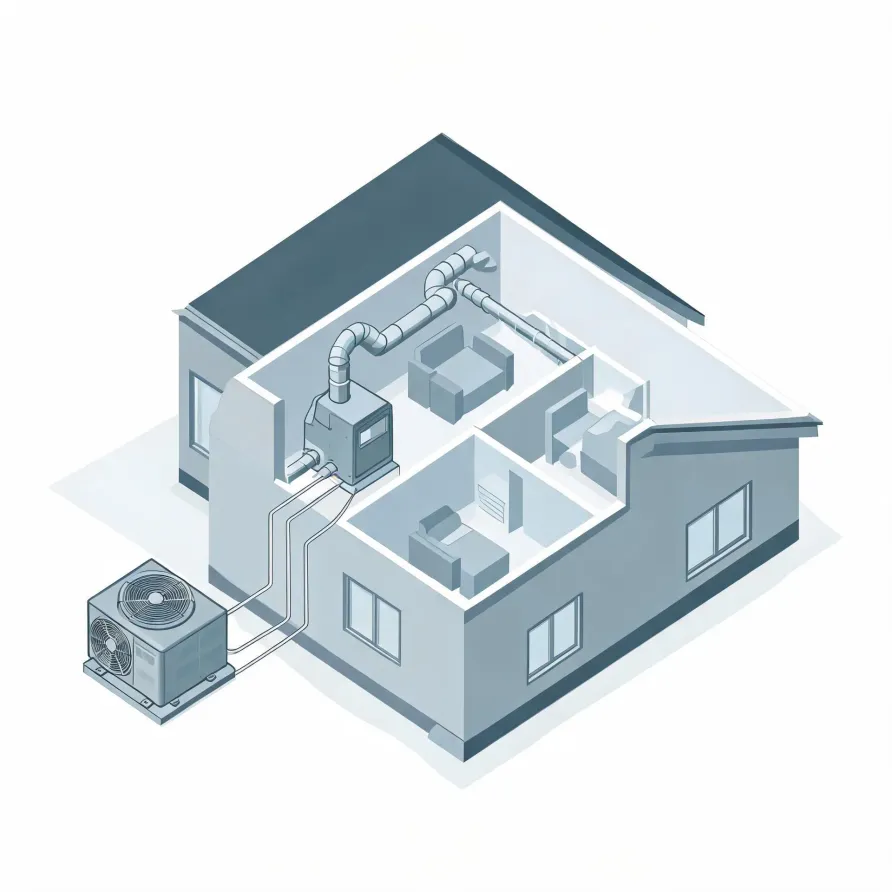
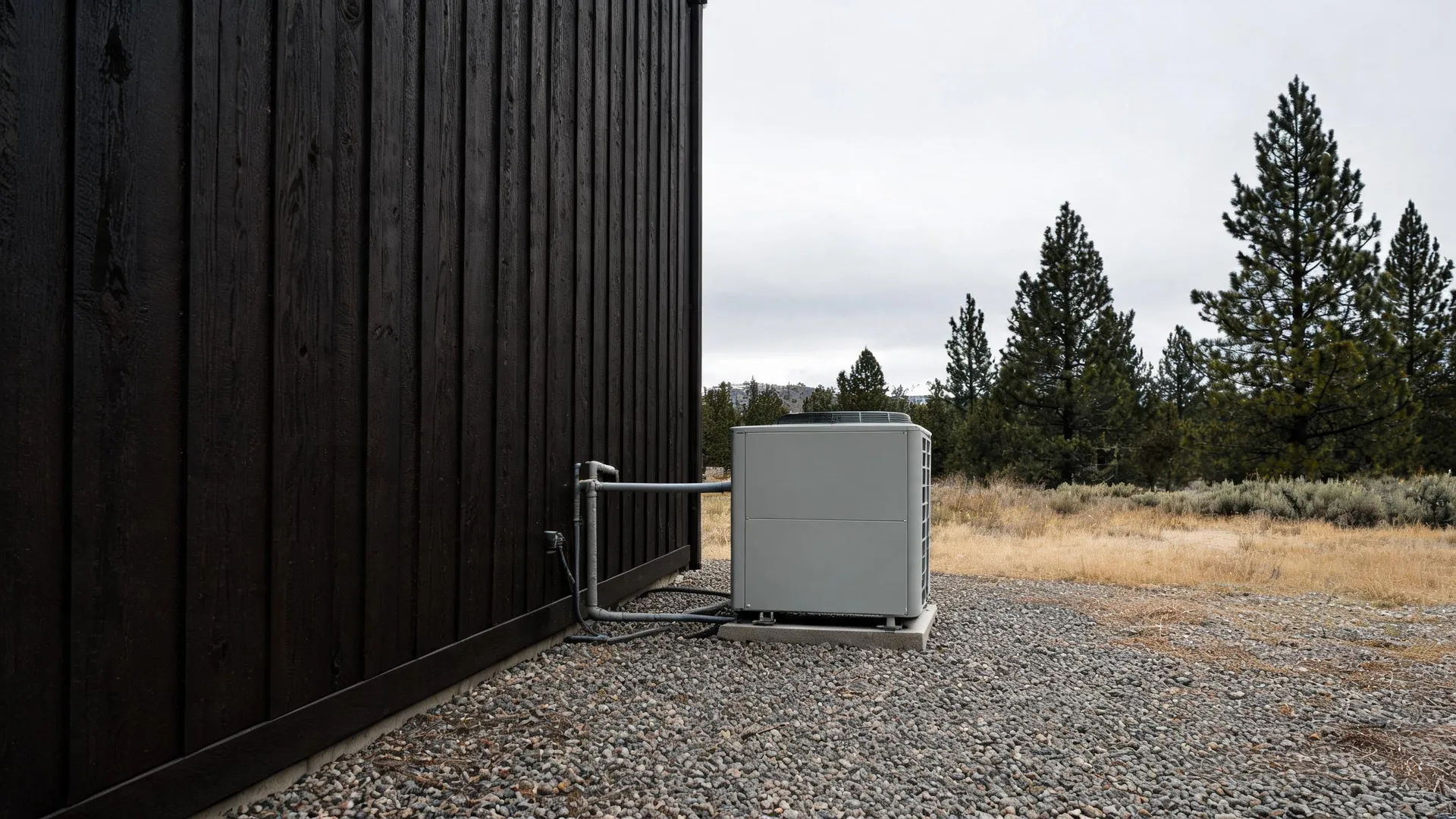
The outdoor unit is the piece a homeowner sees first. It sits on a pad beside the house and holds the compressor and the refrigerant coil that do the system's main work. Inside, the air handler mounts in a closet, attic, or utility room and pushes conditioned air through the home.
A copper refrigerant line set runs between the two units, connecting the outdoor coil to the indoor one. A thermostat goes on an interior wall and gives the homeowner control over the whole system. A condensate drain line runs from the air handler to carry away the moisture the coil pulls from indoor air.
The drawing shows a general layout of these components, and a licensed contractor determines exactly what applies to this house.
Get matched in Lake CountyLake County, Colorado, by the numbers
149 severe weather events were recorded in Lake County, Colorado between 2015 and 2024.
NOAA National Centers for Environmental Information, Storm Events Database, bulk CSV export, events 2015-01-01 through 2024-12-31.Half the homes in Lake County, Colorado were built in 1972 or earlier (2020-2024 ACS 5-year).
U.S. Census Bureau, 2020-2024 American Community Survey 5-Year EstimatesLake County, Colorado holds 3,983 housing units (2020-2024 ACS 5-year).
U.S. Census Bureau, 2020-2024 American Community Survey 5-Year EstimatesOwners occupy 75.6% of the occupied homes in Lake County, Colorado (2020-2024 ACS 5-year).
U.S. Census Bureau, 2020-2024 American Community Survey 5-Year EstimatesSevere Weather Events in Lake County
Lake County's climate puts real demands on heating and cooling equipment, and those demands shape what a heat pump needs to handle over its working life. A system sized and installed for local conditions holds up differently than one that was not.
149 severe weather events, 2015–2024. Source: NOAA National Centers for Environmental Information, Storm Events Database.