Tell us about the job
Takes about a minute. No obligation.
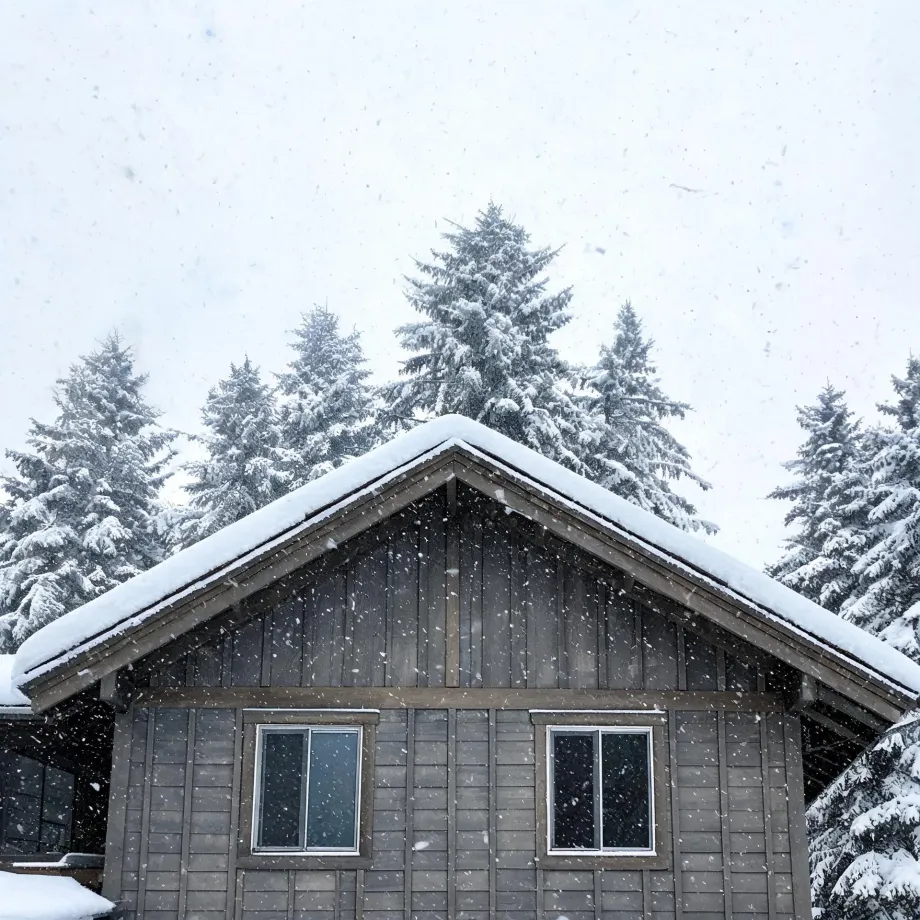
A contractor quoting a heat pump installation in Denver County has to work out the heating load before anything else. Homes in Denver County, CO run heat about eight months a year, from October through May. A heat pump's output drops as outdoor temperatures drop, so a system sized for an average winter day falls short on the worst ones. The installer has to establish whether the unit can carry the full load at the low end of the local range, or whether a backup heat source belongs in the design from the start.
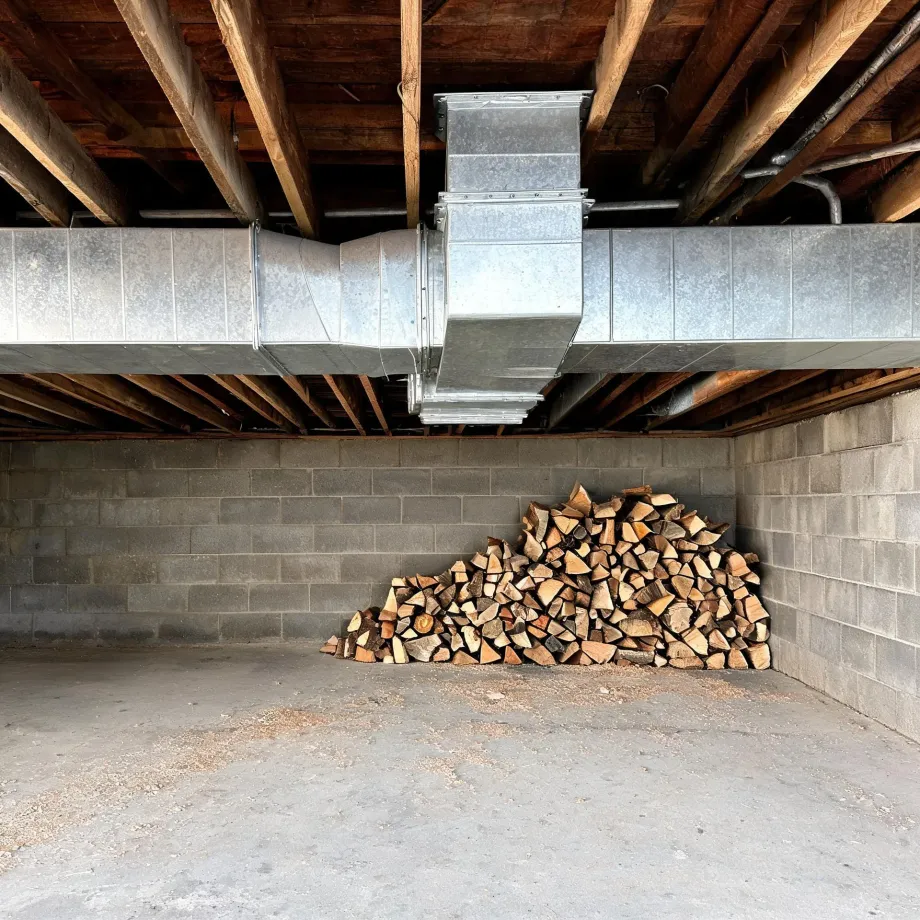
Ductwork routed for a furnace and a service panel sized for a smaller electrical load are what a heat pump contractor opens the conversation around in a house like this. Half the homes in Denver County, Colorado were built in 1975 or earlier (2020-2024 ACS 5-year). That vintage of construction was built around combustion heat, not electrified systems, and the ductwork geometry and panel capacity it left behind are the variables that decide whether a heat pump installation is straightforward or whether it requires additional work before the equipment goes in.
What Gets Installed With a New Heat Pump
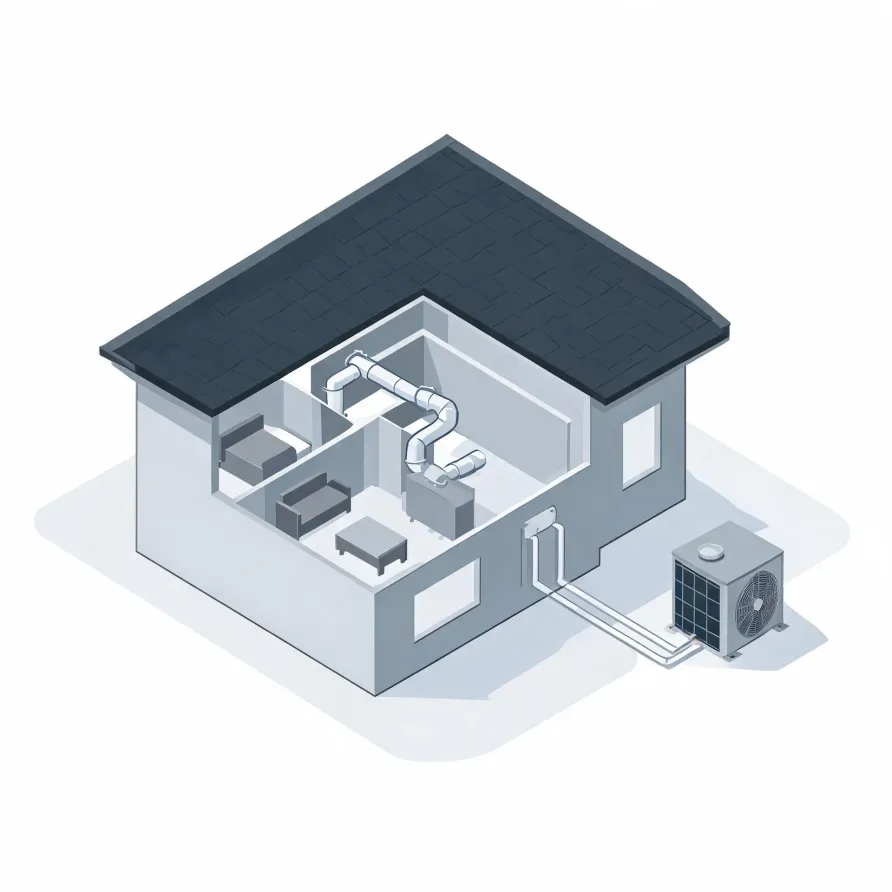
The outdoor unit sits on a pad beside the house and holds the compressor and the condenser coil. These are the parts doing the heavy lifting. Inside, the air handler mounts in a utility space, a closet, or an attic and pushes conditioned air through the home. Both units are part of every standard heat pump installation.
A refrigerant line set runs between the outdoor unit and the air handler, connecting the two halves of the system. A thermostat goes on an interior wall where the homeowner can reach it and controls when each cycle starts and stops.
The drawing shows a typical layout, and a licensed contractor determines exactly what applies to this house.
Get matched in Denver CountyDenver County, by the numbers
243 severe weather events were recorded in Denver County, Colorado between 2015 and 2024.
NOAA National Centers for Environmental Information, Storm Events Database, bulk CSV export, events 2015-01-01 through 2024-12-31.Half the homes in Denver County, Colorado were built in 1975 or earlier (2020-2024 ACS 5-year).
U.S. Census Bureau, 2020-2024 American Community Survey 5-Year EstimatesDenver County, Colorado holds 359,581 housing units (2020-2024 ACS 5-year).
U.S. Census Bureau, 2020-2024 American Community Survey 5-Year EstimatesOwners occupy 48.8% of the occupied homes in Denver County, Colorado (2020-2024 ACS 5-year).
U.S. Census Bureau, 2020-2024 American Community Survey 5-Year EstimatesSevere Weather Events in Denver County
Denver's climate puts real demands on heating and cooling equipment year-round. How hard a heat pump works, and how long it lasts, is tied directly to what the weather here actually does.
243 severe weather events, 2015–2024. Source: NOAA National Centers for Environmental Information, Storm Events Database.