Tell us about the job
Takes about a minute. No obligation.
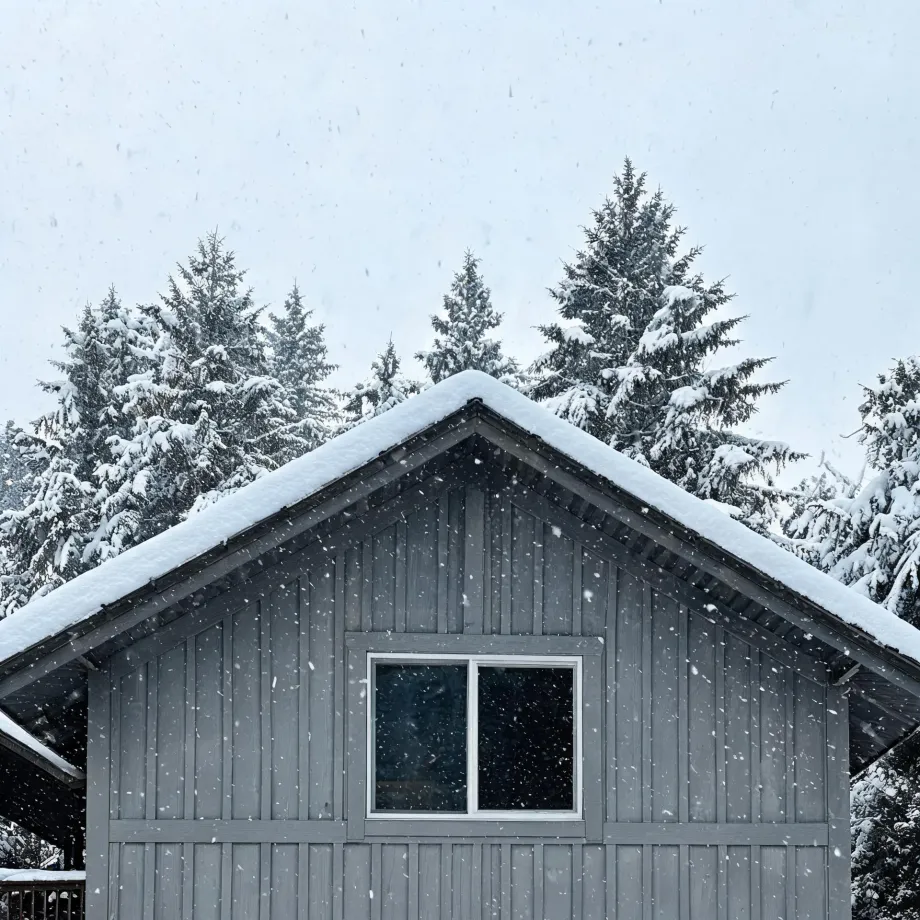
Sizing a heat pump for Arapahoe County means sizing it for its hard half: the months when outdoor temperatures drop and the system's capacity follows. Homes in Arapahoe County, CO run heat about eight months a year, from October through May. The compressor runs through cold stretching into spring, and as the outdoor coil works harder to pull heat from colder air, any refrigerant charge error or undersized unit starts cycling more than it should. A contractor has to establish the actual heat load on this house before quoting a system, because an install that looks right on paper shows its flaw the first time a cold snap holds for a week.
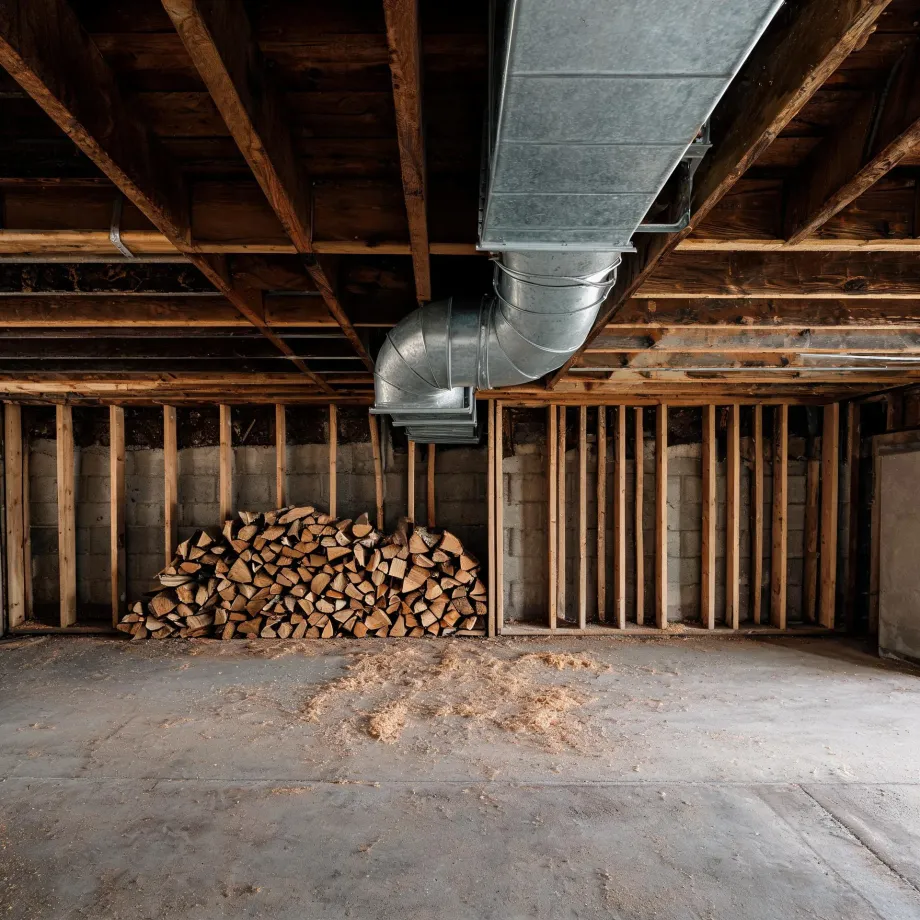
Existing ductwork and the electrical panel are what a heat pump installation turns on, and in this county the electrical side is where a contractor often finds the real constraint. Half the homes in Arapahoe County, Colorado were built in 1986 or earlier (2020-2024 ACS 5-year). Houses built in that era were wired for the loads of that era, and a heat pump draws substantially more current. If the service panel cannot carry the new demand, it gets upgraded before anything else gets quoted. The ductwork question comes second, but it comes.
What Gets Installed With a New Heat Pump
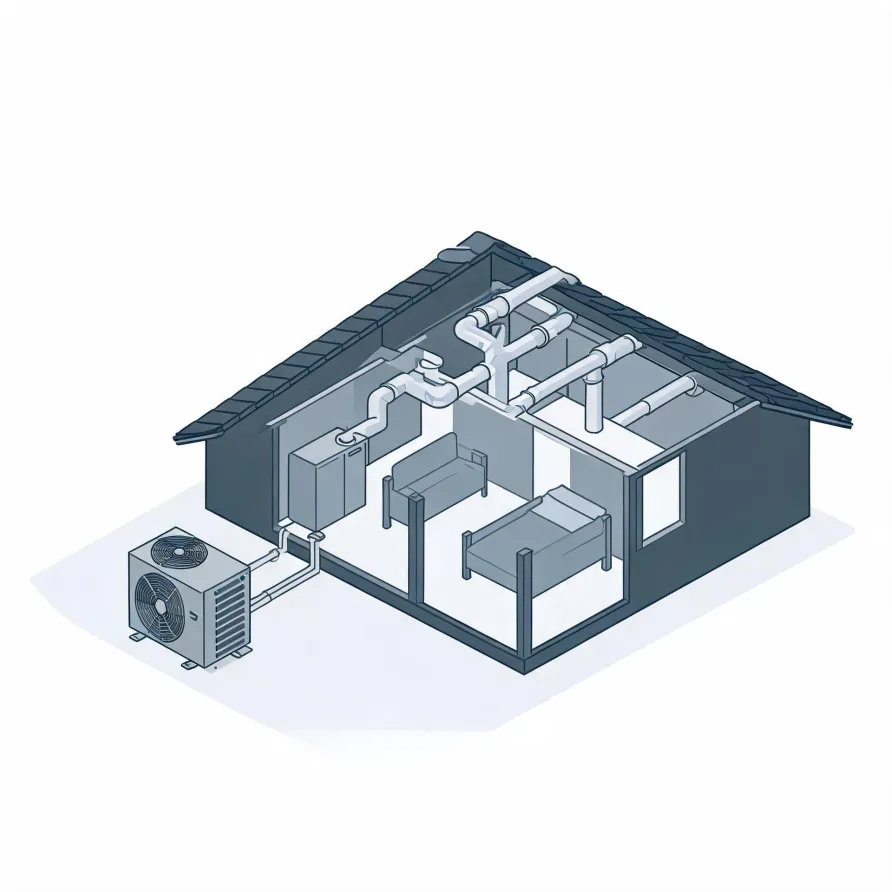
The outdoor unit is the piece a homeowner sees first. It sits on a pad beside the house and holds the compressor and the outdoor coil, which together do the heavy lifting of moving heat between the refrigerant and the outside air. Inside the house, the air handler mounts in a utility space, attic, or closet and pushes conditioned air through the home.
A refrigerant line set runs between the two units, carrying refrigerant back and forth through insulated copper tubing that passes through the wall. A thermostat mounts on an interior wall and gives the homeowner control over the whole system. The disconnect box sits near the outdoor unit and allows a contractor to cut power to that unit safely.
The drawing shows a typical layout, and a licensed contractor determines exactly what applies to this house.
Get matched in Arapahoe CountyArapahoe County, by the numbers
360 severe weather events were recorded in Arapahoe County, Colorado between 2015 and 2024.
NOAA National Centers for Environmental Information, Storm Events Database, bulk CSV export, events 2015-01-01 through 2024-12-31.Half the homes in Arapahoe County, Colorado were built in 1986 or earlier (2020-2024 ACS 5-year).
U.S. Census Bureau, 2020-2024 American Community Survey 5-Year EstimatesArapahoe County, Colorado holds 269,345 housing units (2020-2024 ACS 5-year).
U.S. Census Bureau, 2020-2024 American Community Survey 5-Year EstimatesOwners occupy 64.7% of the occupied homes in Arapahoe County, Colorado (2020-2024 ACS 5-year).
U.S. Census Bureau, 2020-2024 American Community Survey 5-Year EstimatesSevere Weather Events in Arapahoe County
Colorado's climate puts real demands on heating and cooling equipment, and Arapahoe County gets its share of the pressure. A heat pump sized and installed for local conditions handles that workload better than one spec'd without it.
360 severe weather events, 2015–2024. Source: NOAA National Centers for Environmental Information, Storm Events Database.