Skip the round of in-home estimates for a new heat pump.
Sizing a heat pump for a Colorado home isn't a job for a rule of thumb. Square footage alone won't tell you what you need. A contractor has to run a load calculation that accounts for your altitude, your insulation, your windows, and how your house holds up against a dry summer afternoon when the sun is doing most of the work.
Get the size wrong and you feel it twice. Too small, and the unit runs constantly through July and August trying to catch up. Too big, and it short cycles, cools the air fast but leaves it clammy, and wears out its parts sooner than it should. Since most homes here heat with gas, the heat pump is likely doing cooling duty only, which changes how a contractor sizes the install compared to a home relying on it for heat too.
This is where most homeowners lose a weekend. You start searching for installers, and the same handful of listings come up with no way to tell who actually does load calculations correctly versus who eyeballs it off a chart. So you call a few, explain your square footage and your situation over and over, wait on quotes that show up days apart, and try to compare numbers from companies you know nothing about.
Submit a request here instead, and it goes to one licensed contractor working in your area, someone who sizes heat pump installs in Colorado homes all season and knows how the altitude and the dry heat here change the math. You're not fielding calls from five different companies trying to win the job. You explain your situation once, to the person who's actually going to do the work.
From there, the next step is getting someone to your house to measure what matters and tell you the right size for it.
What size heat pump do I need for my house in Colorado?
You want a straight number before a contractor shows up, something to check their quote against. But a heat pump isn't sized off square footage the way you might expect. Colorado's thin air and your home's insulation and windows change the math enough that two houses the same size down the street from each other can need different tonnage. The honest answer is a range, not a figure, until someone measures your house.
There's no fixed number without a load calculation
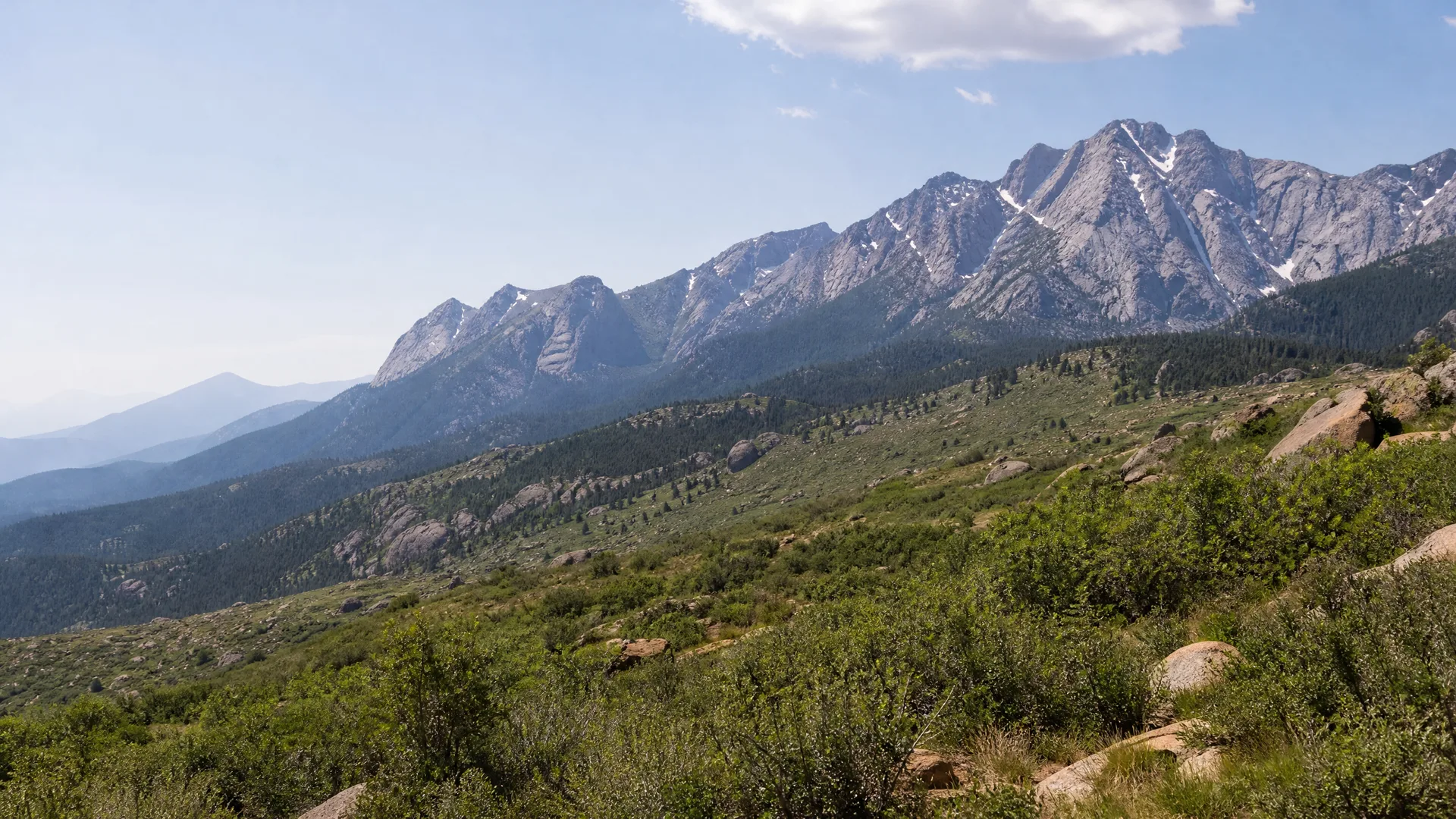
Most Colorado homes end up somewhere between 2 and 5 tons, but where your house falls in that range depends on things a tape measure won't catch. Altitude thins the air a heat pump moves, so the same unit that works at sea level has to work harder here. Your insulation, your window count, and which way your house faces all change the number too. A unit sized too small won't keep up when temperatures drop into the single digits on the coldest nights. One sized too large will cycle on and off instead of running steady, and that short cycling wears on the compressor and leaves rooms feeling clammy in summer. A contractor running a Manual J calculation on your actual house is the only way to land on the right ton.
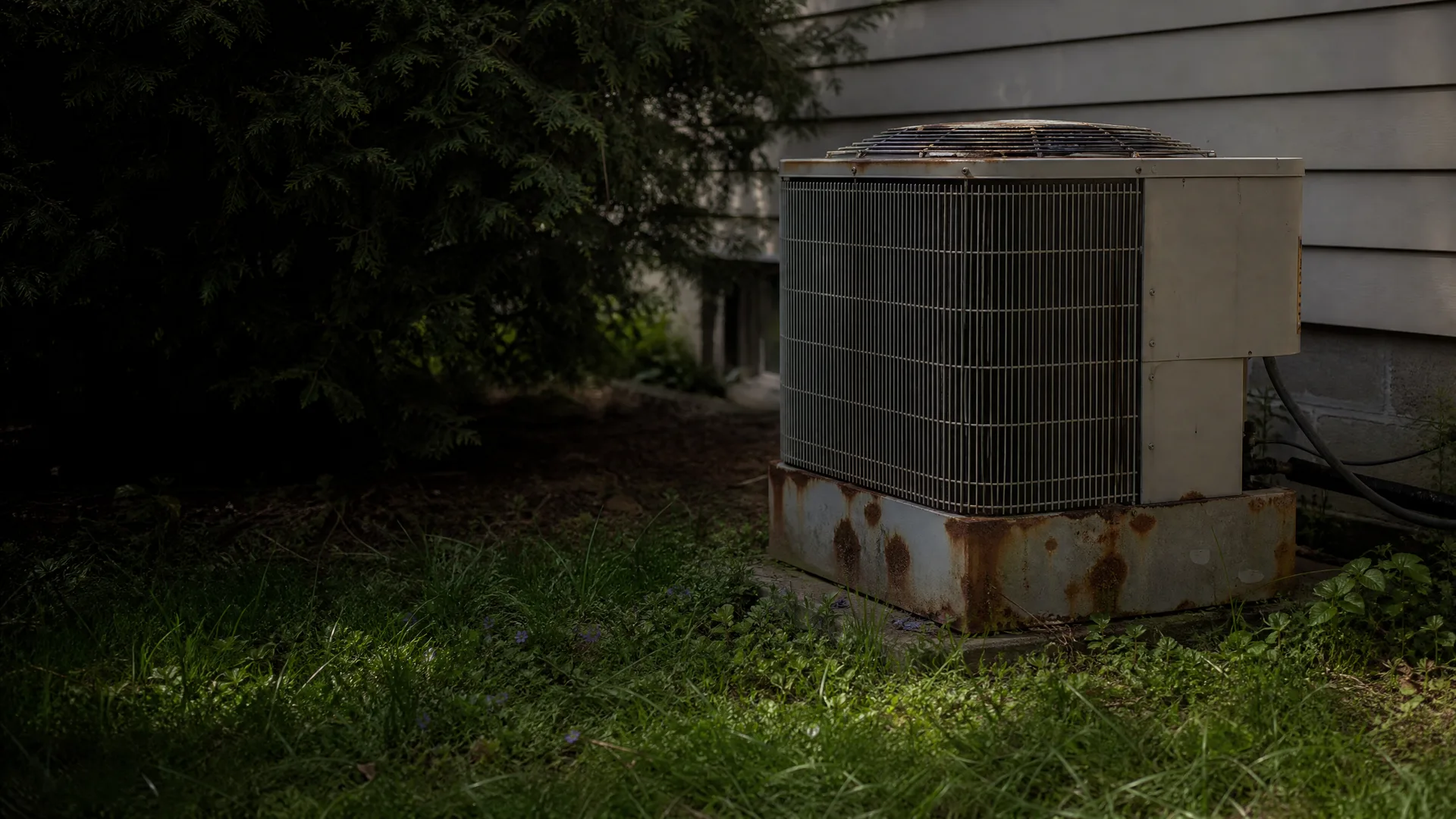
You're out in the side yard in April, coiling the hose before you turn the water back on for the season. The unit's sitting where it always sits, against the fence, and you notice the rust for the first time this year, a line of it along the base where the metal meets the pad. It's been through a lot of Colorado winters. You crouch down and press a thumb against it, and a little flakes off. The air's still cool enough that you're not thinking about cooling yet, but you know July is coming, the kind of dry heat that'll have this thing running most of the afternoon. You straighten up, make a note to ask someone about it, and go back to the hose.
Undersized vs. Oversized: Why the Right Fit Matters
Undersized
On the coldest nights it can't keep up, and the backup heat strip kicks in more than it should, which shows up on your power bill.
It runs close to full output most of the winter, which means less room to handle a cold snap without help from backup heat.
A smaller unit costs less to install, and in a tight mechanical closet or on a cramped pad, it's easier to fit.
At altitude, the thinner air already cuts into a heat pump's output, so a unit sized too small feels the difference faster than it would at sea level.
Oversized
It short cycles, switching on and off faster than it should, which wears the compressor down over time.
Short cycles mean it shuts off before it's pulled the humidity out of the air, so summer days can feel muggier than they should in a dry climate.
You paid for capacity you rarely use, since most Colorado days don't call for the unit's full output.
A larger outdoor unit takes up more space and costs more upfront, for comfort gains that don't usually show up at that end of the sizing range.
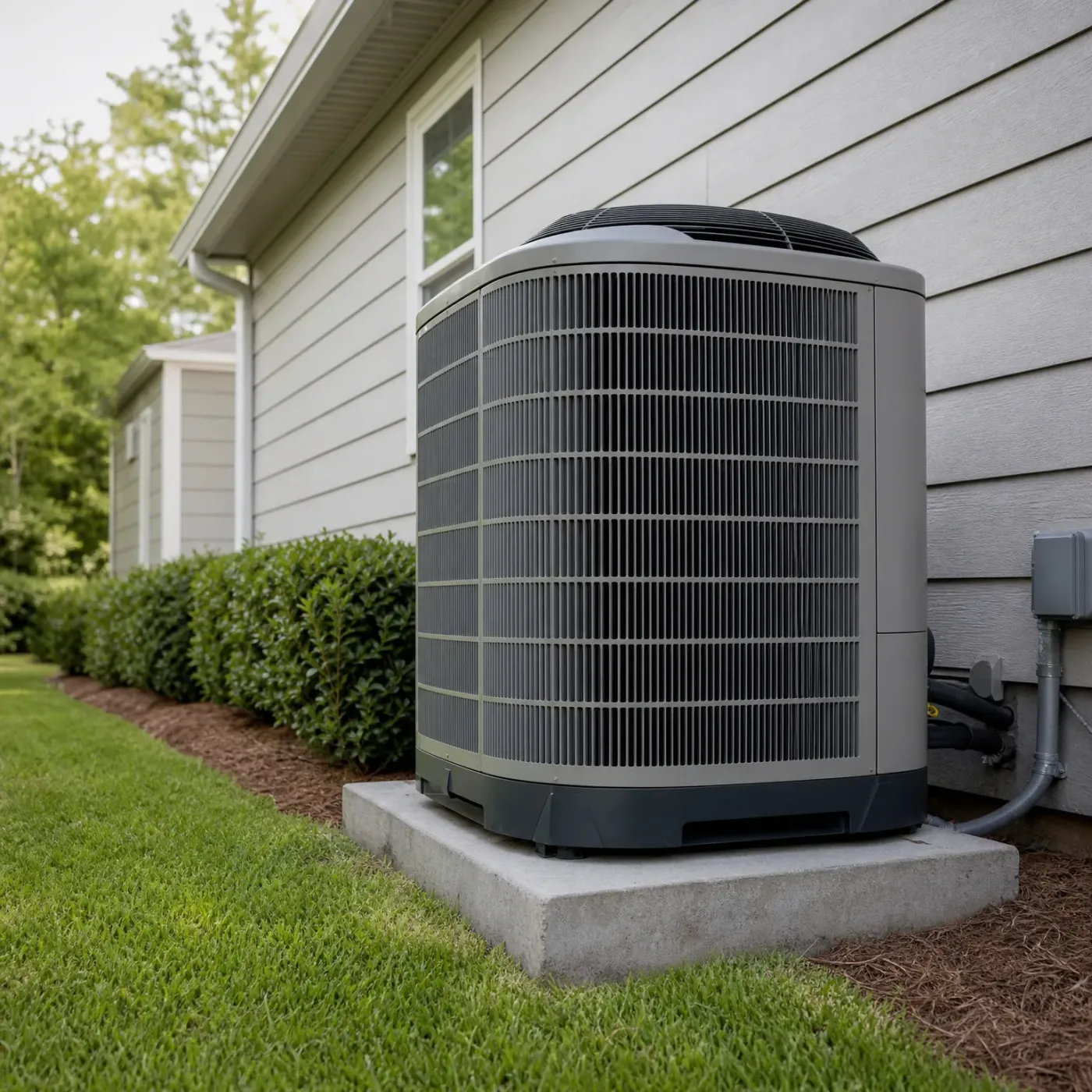
Properly matched system
When the unit's sized right, it runs steady through the hot Colorado afternoons and the cold nights without strain. The disconnect box and lines stay clean, the unit cycles the way it should, and it keeps up without leaning on backup heat.
Wrong size, showing wear
Grime builds up fast on a unit that's always running harder than it should. An undersized or oversized heat pump short cycles or runs constantly, and that extra strain shows up as dust packed into the grilles and parts working past their normal load.
Why does your heat pump run almost constantly?
If the outdoor unit runs nearly nonstop on a January night and the house still feels cool near the windows, that's a sizing problem, not a thermostat problem. You might notice the backup heat strip kicking in often, which you'll see as a jump in your power bill. In July, the opposite shows up: the unit cycles on and off in short bursts, never running long enough to pull the humidity down, so the house feels clammy even at your set temperature. Either way, the compressor is working harder than it should, cycling more often, which wears it down faster and can mean a shorter life for the unit than it was built for.
1
Contractor measures every wall, window, and door facing outside.
2
Contractor checks insulation levels in your attic and walls.
3
Contractor runs a Manual J calculation adjusted for your altitude.
4
Contractor matches the heat pump's output to that calculated load.
Skip the search
One installer gets your project, so there's no bidding war over it.
Describe the project once instead of to every installer.
Before you get your heat pump installationAfter you get your heat pump installation
Why altitude changes the math
A heat pump moves heat by compressing refrigerant, and that compressor depends on the air around the outdoor unit to shed or absorb heat efficiently. Up at Colorado's elevations, the air is thinner, so the same unit that puts out a given capacity at sea level puts out less here. A contractor doing the load calculation applies a derate for your altitude, not just your square footage. Skip that step and you can end up with a unit rated correctly on paper that still comes up short on the coldest nights, because the paper rating assumed denser air than what's actually sitting outside your house.
What a mismatched system costs you
An oversized heat pump short cycles, turning on and off quicker than it should instead of running a long, steady stretch. Short cycling wears on the compressor and leaves humidity in the air during the summer because the unit never runs long enough to pull moisture out. An undersized one leans on backup electric heat strips every time the temperature drops hard, and those strips use far more power than the heat pump itself. Either mistake shows up on your power bill before it shows up as a breakdown, and by then the sizing was already wrong the day it went in.
Power costs 15.69 cents per kilowatt-hour statewide
At 15.69 cents per kilowatt-hour, every bit of backup heat strip use shows up on your bill fast. A heat pump sized right for your house leans on the compressor, not the strip, to get through a cold night. Get the sizing wrong and you're paying resistance-heat rates to stay warm.
EIA-861 2025 statewide residential average
A properly sized heat pump stays clean around the base, with no streaking, because it isn't straining to keep up on either end of the Colorado weather.
A struggling heat pump runs harder and longer, and the grime on the cabinet is often the first visible sign a contractor spots before the data ever confirms it.
Summer dew points around the state average 42°F, which is dry even by Colorado standards. For your heat pump, that dry air cools your skin faster than the thermostat setting suggests, so you may be tempted to set it lower than you actually need. A unit sized for your house, not your comfort guess, keeps the compressor running at the load it's built for. An oversized one will cool the air quick and shut off before it pulls the moisture a muggier day would need, leaving the house feeling clammy even though the dew point outside is low. Source: regional climate averages for Colorado.
NASA POWER T2MDEW county cells weighted by homes
The size comes from the calculation
A Manual J calculation adjusted for altitude, not square footage alone, is what gets the size right for your house.
A heat pump that matches your house runs steady through hot afternoons and cold nights without leaning on backup heat strips.
Guessing on size costs you twice, once on the equipment and again on every kilowatt-hour the backup strip burns.
A licensed contractor working in your area sees these altitude-driven sizing mistakes every season and knows where they usually show up.
One contractor runs the calculation and quotes the job, so you're not fielding calls from several companies at once.
The right size shows up in how the unit runs, not in a number you could have guessed from the floor plan.
There's no shortcut around the math. Your house needs a Manual J calculation that accounts for Colorado's altitude, not a number pulled from square footage or guessed off the old unit. That's the only way a contractor lands on the size that actually fits your walls, your windows, and your elevation.
Once it's sized right, you stop thinking about it. The unit runs through the hottest afternoons and the coldest nights without leaning on the backup strip to make up the difference. Get the size wrong in either direction and you pay for it twice, once on the equipment itself and again every month the strip has to cover what the compressor can't.
This is the kind of work that goes to someone who's local, and who works on heat pumps in Colorado's thin air every season. He's seen what altitude does to a sizing calculation that wasn't adjusted for it, and he knows which parts of a house get missed when someone sizes off a floor plan instead of walking the walls. That's the contractor you get matched with here, one contractor, not five companies calling you back at once wanting to quote the same job differently.
You'll know the sizing was right by how the system behaves, not by the number on the spec sheet. It holds the temperature near the windows. It doesn't run flat out on a mild night. It gets through a cold snap without the backup strip doing the heavy lifting. That's what a correctly sized heat pump looks like in a Colorado home, and it's what the calculation is for.