Tell us about the job
Takes about a minute. No obligation.
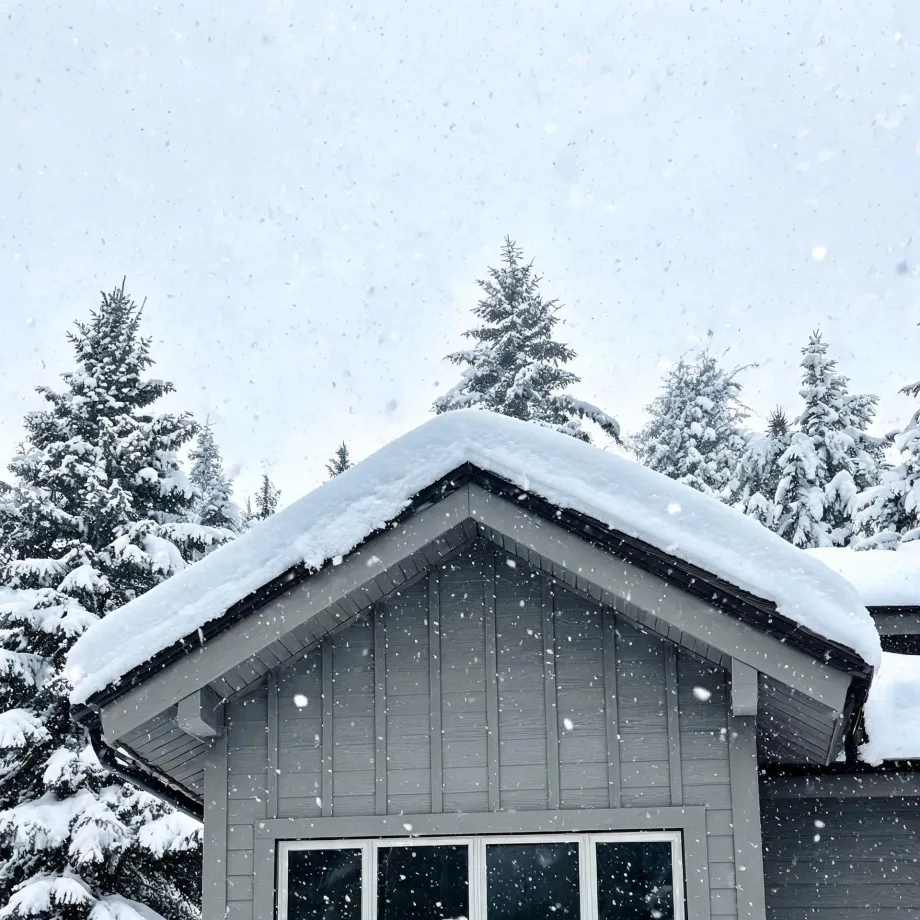
Homes in Custer County, CO run heat about eleven months a year, from August through June. The reversing valve cycles every time the system switches between heating and cooling mode, and a heat pump running through nearly the entire calendar year puts that valve through a workload that leaves wear you can measure. A contractor called out for a fault here pulls the refrigerant circuit readings first, because capacity loss in cold weather is often the first sign that a valve or coil is degrading rather than a sign of a refrigerant leak. Undersized or borderline systems show that pattern sooner, since they run harder to hold temperature when outdoor air drops.
Half the homes in Custer County, Colorado were built in 1992 or earlier (2020-2024 ACS 5-year). A heat pump installed into housing this old is rarely running on the original system it replaced, which means the components a contractor finds once the unit is open reflect a layered history of substitutions rather than a single design. Refrigerant lines, electrical connections, and internal parts may have been adapted more than once. If a part the current system needs is no longer manufactured, the repair scope changes entirely, and a contractor has to confirm availability before a quote means anything.
The Parts of a Heat Pump a Contractor Checks First
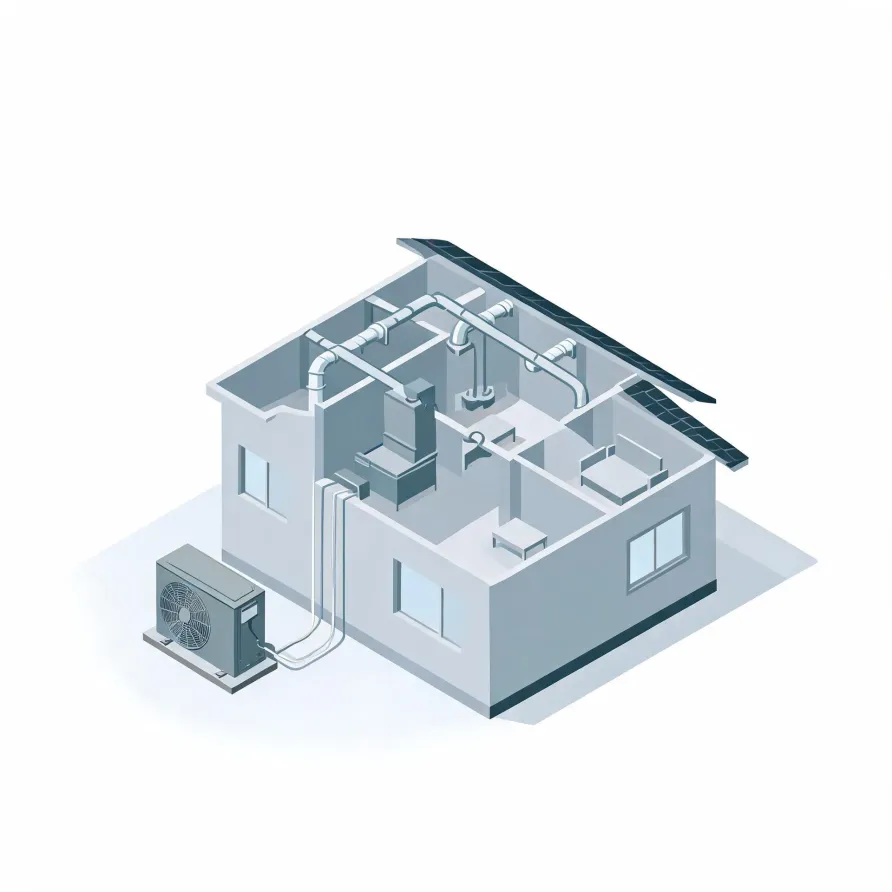
The outdoor unit is the piece most homeowners recognize, a metal cabinet that sits on a pad beside the house and holds the compressor and the outdoor coil. The compressor is the part a contractor reaches for early, because when it fails the system stops moving heat in either direction. The outdoor coil works alongside it, and a damaged or dirty coil drives up the load on the compressor.
Inside the house, the air handler holds the indoor coil and the blower, and together they deliver conditioned air into the living space. The reversing valve sits inside the system and is what allows a heat pump to run in both heating and cooling modes, so a stuck or failed valve is a common reason a unit blows the wrong temperature. The expansion valve and refrigerant lines connect the two units, and a refrigerant leak anywhere along that path will show up as reduced performance at both ends.
The drawing shows the general layout of a heat pump system, and a licensed contractor determines which parts apply and what work is needed in your specific home.
Get matched in Custer CountyCuster County, by the numbers
427 severe weather events were recorded in Custer County, Colorado between 2015 and 2024.
NOAA National Centers for Environmental Information, Storm Events Database, bulk CSV export, events 2015-01-01 through 2024-12-31.Half the homes in Custer County, Colorado were built in 1992 or earlier (2020-2024 ACS 5-year).
U.S. Census Bureau, 2020-2024 American Community Survey 5-Year EstimatesCuster County, Colorado holds 4,631 housing units (2020-2024 ACS 5-year).
U.S. Census Bureau, 2020-2024 American Community Survey 5-Year EstimatesOwners occupy 85.3% of the occupied homes in Custer County, Colorado (2020-2024 ACS 5-year).
U.S. Census Bureau, 2020-2024 American Community Survey 5-Year EstimatesSevere Weather Events in Custer County
Extreme weather puts heat pumps under load conditions they were not built to run at constantly, and the cumulative stress shortens the life of components. How much weather stress equipment here absorbs is a local fact, and it shapes what repair work looks like in this area.
427 severe weather events, 2015–2024. Source: NOAA National Centers for Environmental Information, Storm Events Database.