Tell us about the job
Takes about a minute. No obligation.
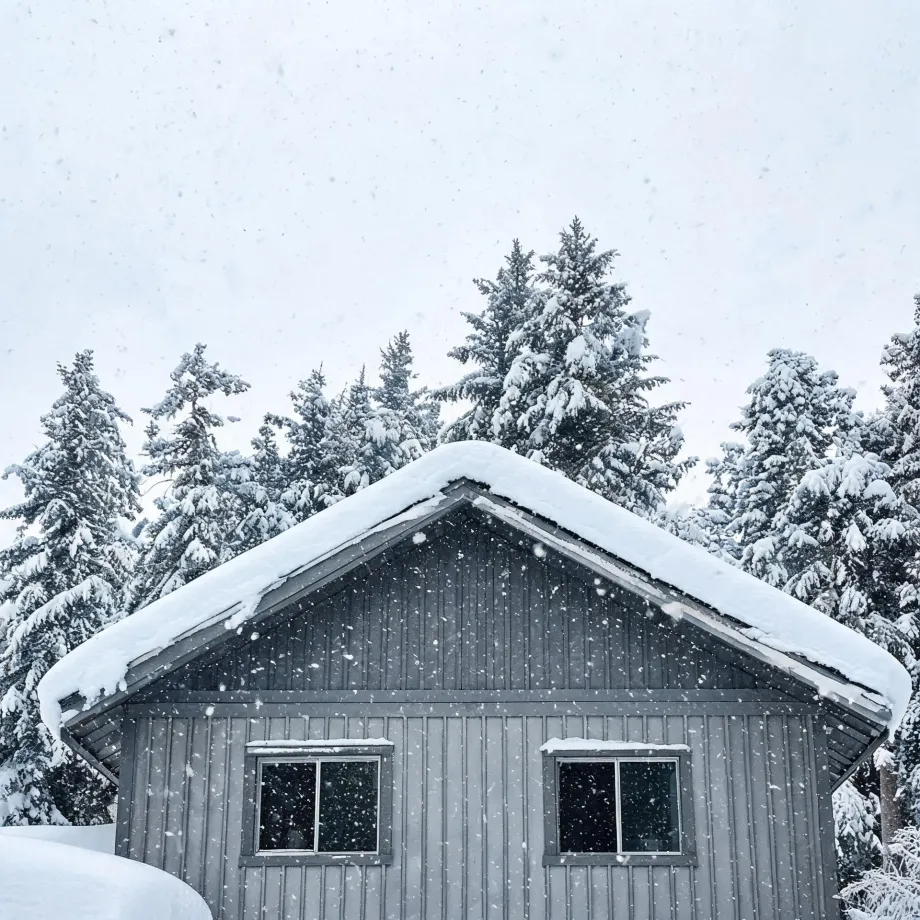
Homes in Cheyenne County, CO run heat about eight months a year, from October through May. The refrigerant circuit runs under load through cold months that stretch well past what most heat pump components are sized to handle lightly. A reversing valve that shifts the system between heating and cooling cycles repeatedly across that span wears at its seals before the compressor shows any obvious symptom. Contractors working repairs here go to the reversing valve and refrigerant lines first, because that is where accumulated cycling shows up earliest and where a missed fault turns a straightforward repair into a full component replacement.
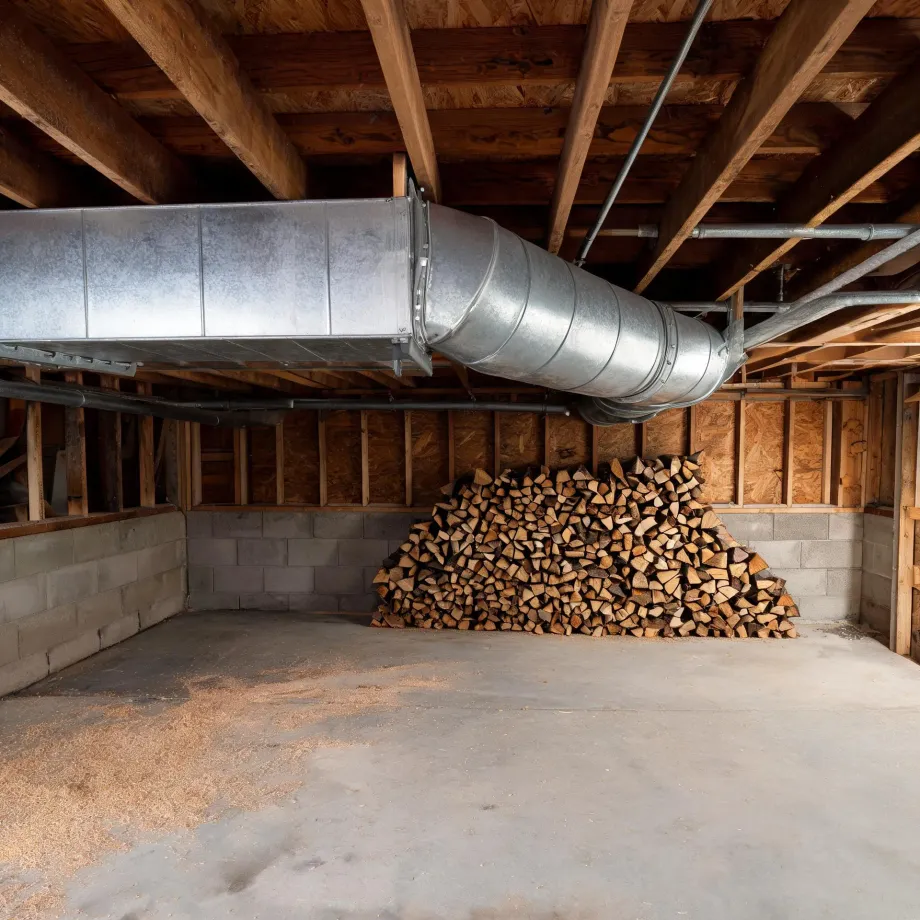
Ductwork in a house built for early forced-air or radiant systems carries the fingerprints of whatever ran through it last, and those fingerprints are what a contractor opens the unit to read alongside it. Half the homes in Cheyenne County, Colorado were built in 1968 or earlier (2020-2024 ACS 5-year). That means refrigerant lines, coil condition, and what the existing duct configuration has done to airflow over the years are the variables that decide how a repair goes here. A part that looks standard from the outside can sit inside a system adapted more than once from its original design.
The Parts of a Heat Pump a Contractor Checks First
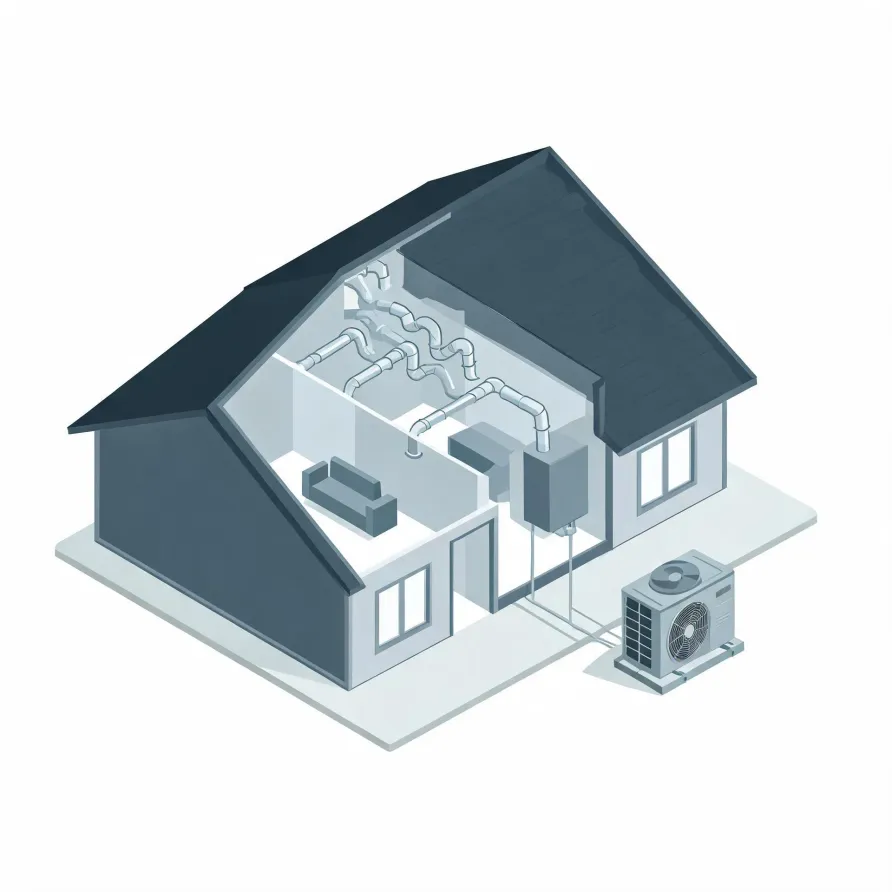
The outdoor unit is where most repairs begin. It holds the compressor, which moves refrigerant through the system, and the condenser coil, which releases or absorbs heat depending on the season. When the outdoor unit is the problem, a contractor will check both, along with the fan motor that pulls air across the coil.
Inside the house, the air handler contains the evaporator coil and the blower that pushes conditioned air through your home. The reversing valve, which tells the system whether to heat or cool, sits in the refrigerant line and is a common point of failure when the system runs but won't switch modes. The expansion valve and refrigerant lines connecting both units round out what a contractor traces during a repair call.
The drawing shows a general layout of these components, and a licensed contractor determines exactly which parts apply to your system and what each one needs.
Get matched in Cheyenne CountyCheyenne County, Colorado, by the numbers
288 severe weather events were recorded in Cheyenne County, Colorado between 2015 and 2024.
NOAA National Centers for Environmental Information, Storm Events Database, bulk CSV export, events 2015-01-01 through 2024-12-31.Half the homes in Cheyenne County, Colorado were built in 1968 or earlier (2020-2024 ACS 5-year).
U.S. Census Bureau, 2020-2024 American Community Survey 5-Year EstimatesCheyenne County, Colorado holds 986 housing units (2020-2024 ACS 5-year).
U.S. Census Bureau, 2020-2024 American Community Survey 5-Year EstimatesOwners occupy 72.6% of the occupied homes in Cheyenne County, Colorado (2020-2024 ACS 5-year).
U.S. Census Bureau, 2020-2024 American Community Survey 5-Year EstimatesSevere Weather Events in Cheyenne County
Weather in Cheyenne County puts real hours on heating and cooling equipment. How hard a heat pump works, and how fast its parts wear, depends on what the climate outside actually demands of it.
288 severe weather events, 2015–2024. Source: NOAA National Centers for Environmental Information, Storm Events Database.