Tell us about the job
Takes about a minute. No obligation.
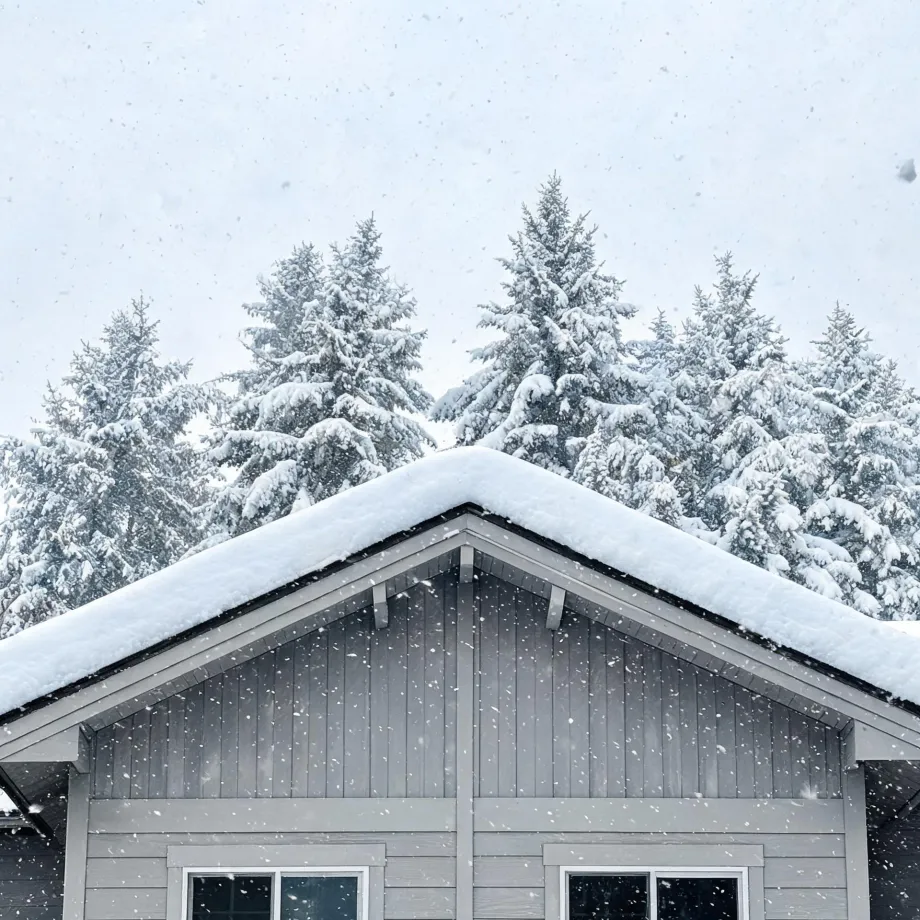
A contractor quoting a heat pump installation in Crowley County has to work out what the system will be asked to carry through the cold half of the calendar before anything else on the bid makes sense. Homes in Crowley County, CO run heat about eight months a year, from October through May. Heat pump capacity drops as outdoor temperatures fall, so a unit that tests fine in mild weather may fall short during the deepest cold of a stretch that long. The installer has to size to the coldest realistic load, then settle the question of backup heat. Get that wrong and the homeowner discovers it on the hardest day of February.
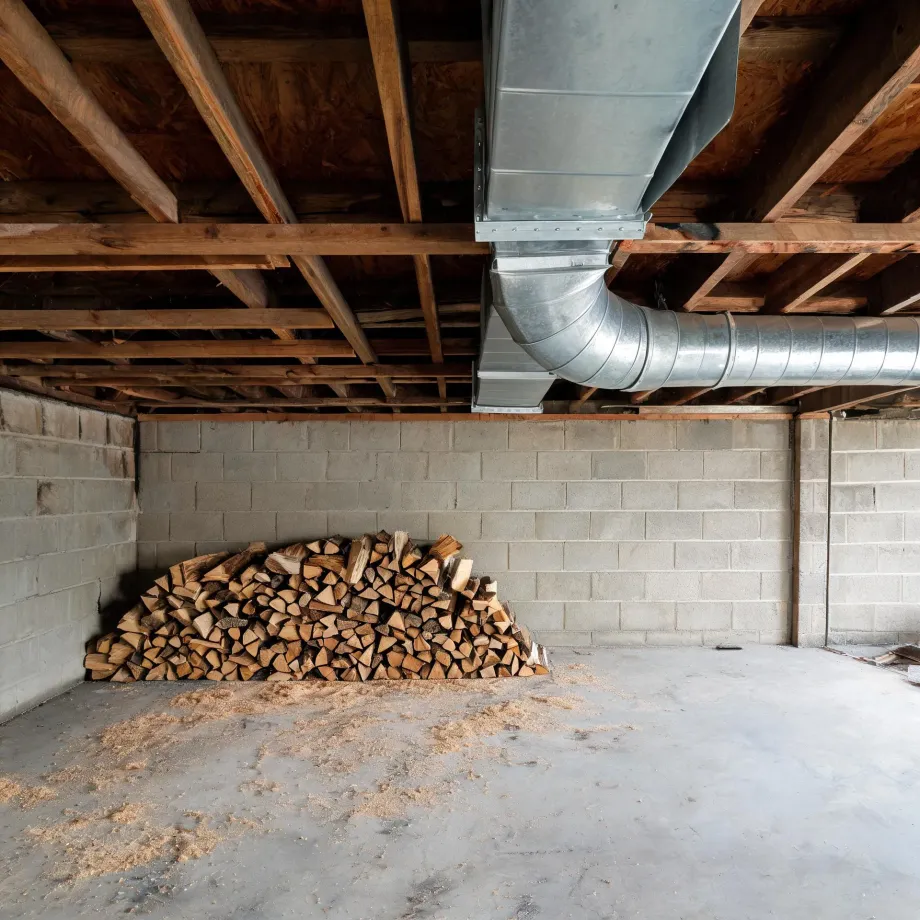
Ductwork laid out for a gas furnace or a boiler does not move air the way a heat pump needs it to. Half the homes in Crowley County, Colorado were built in 1963 or earlier (2020-2024 ACS 5-year). That matters for installation because a heat pump runs longer, lower-temperature cycles, and what those cycles demand from a duct system is different from what the original equipment asked of it. A contractor sizing a new unit here checks the existing runs, the trunk line dimensions, and whether the supply and return layout will carry the load before anything gets ordered. The electrical service gets the same look, since older panels were not sized for a heat pump's draw.
What Gets Installed With a New Heat Pump
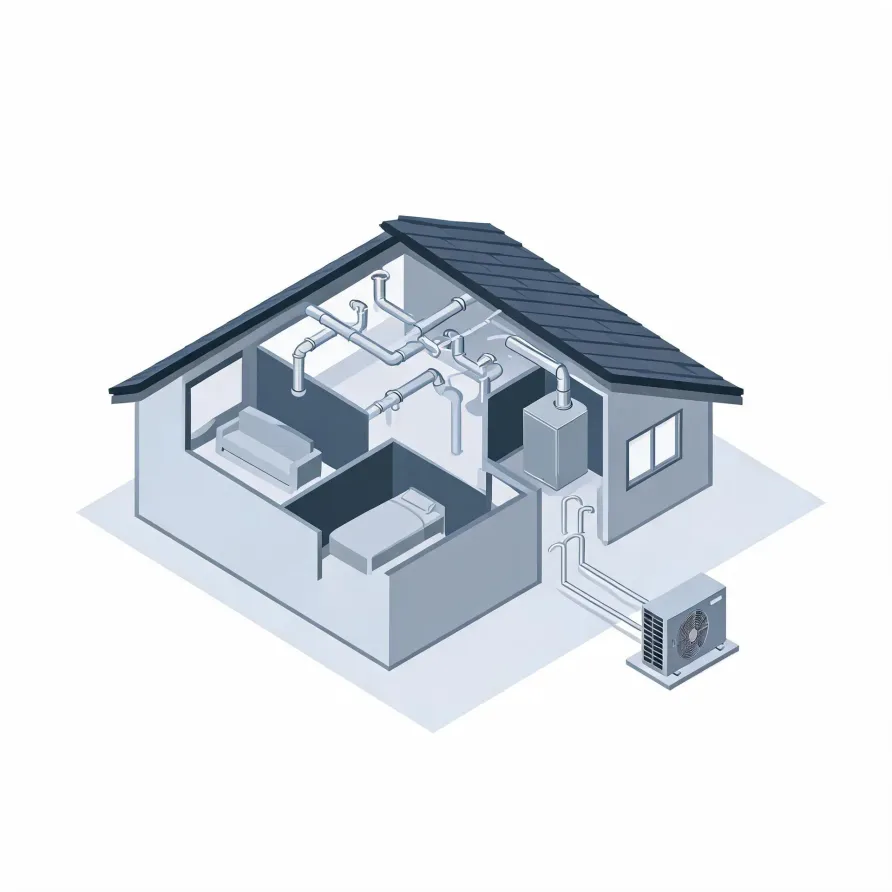
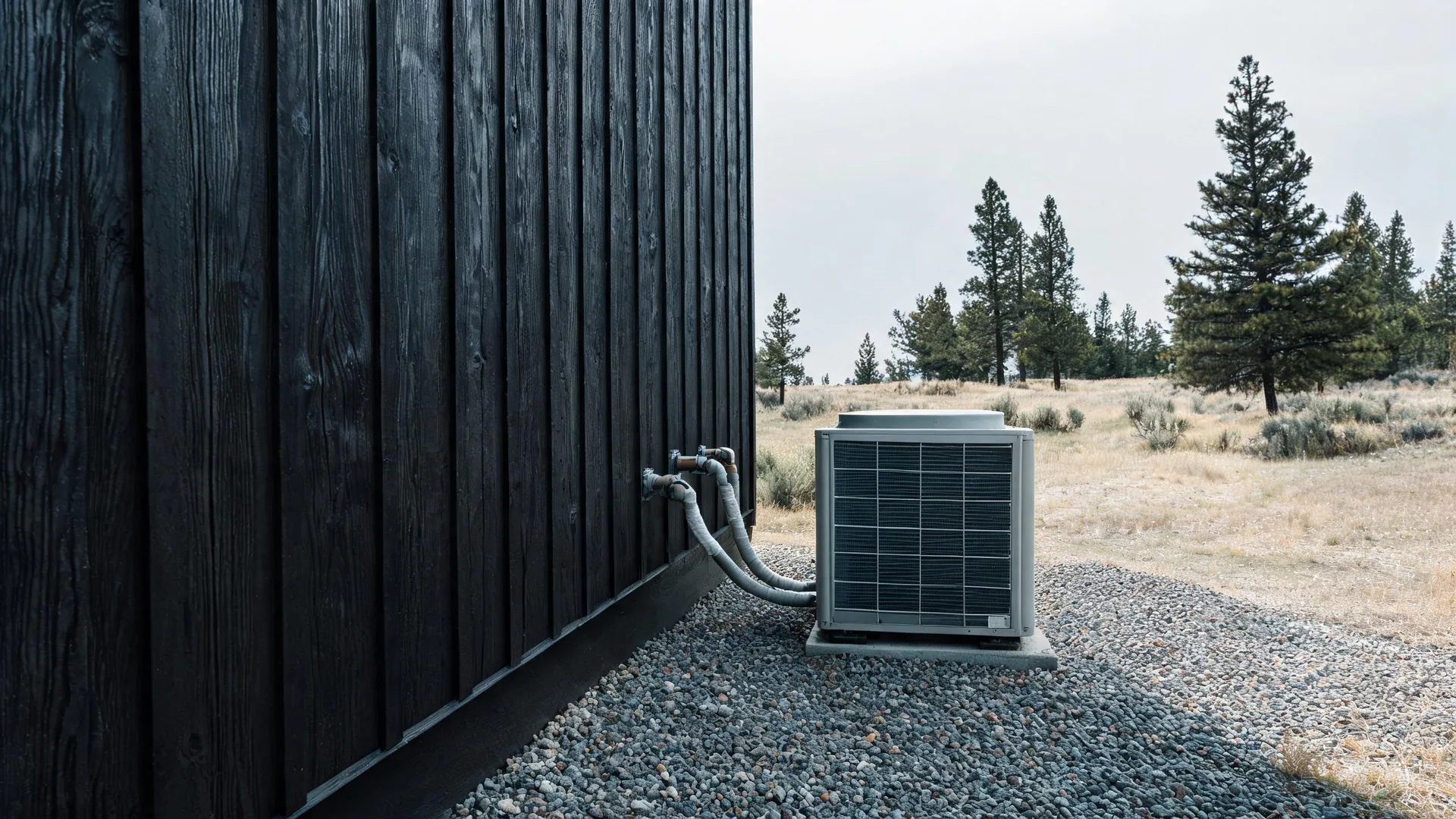
The outdoor unit sits on a pad beside the house and holds the compressor and the condenser coil. The indoor air handler mounts inside, usually in a mechanical room, closet, or attic space, and pushes conditioned air through the home. These two units are the core of what a contractor sets in place.
A refrigerant line set runs between the outdoor and indoor units, carrying the working fluid that lets the two sides of the system communicate. A thermostat goes on an interior wall where it can read the living space accurately, and a condensate drain line runs from the air handler to an appropriate drain point to carry away moisture pulled from the air.
The drawing shows a typical layout, and a licensed contractor determines exactly how each piece fits the conditions of your house.
Get matched in Crowley CountyCrowley County, by the numbers
68 severe weather events were recorded in Crowley County, Colorado between 2015 and 2024.
NOAA National Centers for Environmental Information, Storm Events Database, bulk CSV export, events 2015-01-01 through 2024-12-31.Half the homes in Crowley County, Colorado were built in 1963 or earlier (2020-2024 ACS 5-year).
U.S. Census Bureau, 2020-2024 American Community Survey 5-Year EstimatesCrowley County, Colorado holds 1,556 housing units (2020-2024 ACS 5-year).
U.S. Census Bureau, 2020-2024 American Community Survey 5-Year EstimatesOwners occupy 69.5% of the occupied homes in Crowley County, Colorado (2020-2024 ACS 5-year).
U.S. Census Bureau, 2020-2024 American Community Survey 5-Year EstimatesSevere Weather Events in Crowley County
Weather in this part of Colorado puts real demands on heating and cooling equipment over time. How hard a heat pump works, and how long it lasts, is tied directly to what the local climate throws at it.
68 severe weather events, 2015–2024. Source: NOAA National Centers for Environmental Information, Storm Events Database.