Tell us about the job
Takes about a minute. No obligation.
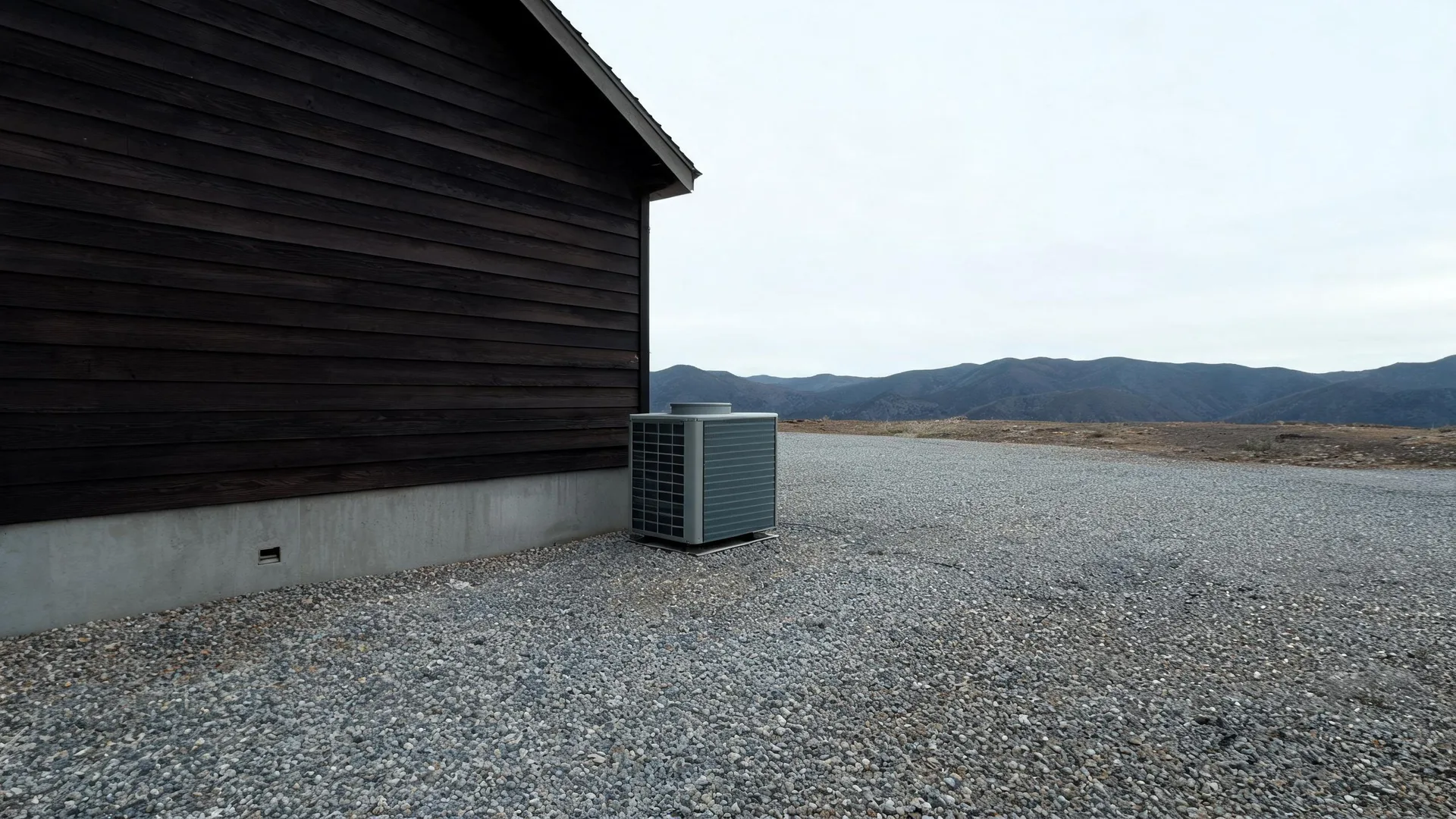
Sizing a heat pump for this county is a local question, not a catalog lookup. Homes in Alamosa County, CO run heat about nine months a year, from September through May. As outdoor temperatures drop toward their lowest point in those months, a heat pump's output drops with them, which means the gap between what the equipment can deliver and what the house needs is widest exactly when it matters most. A contractor has to work out where that gap opens up, and whether a backup heat source covers it, before the installation makes sense. Get that wrong and the system runs at its limit through the coldest stretches of a very long heating season, wearing the compressor and the refrigerant circuit harder than the nameplate ever anticipated.
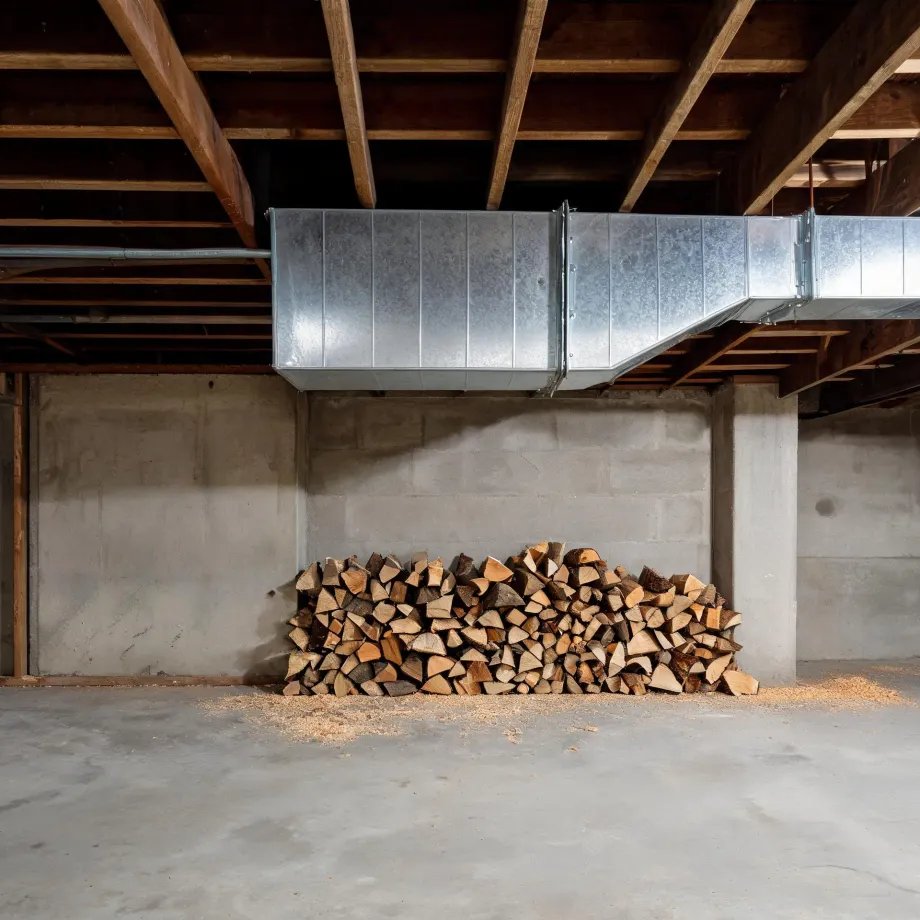
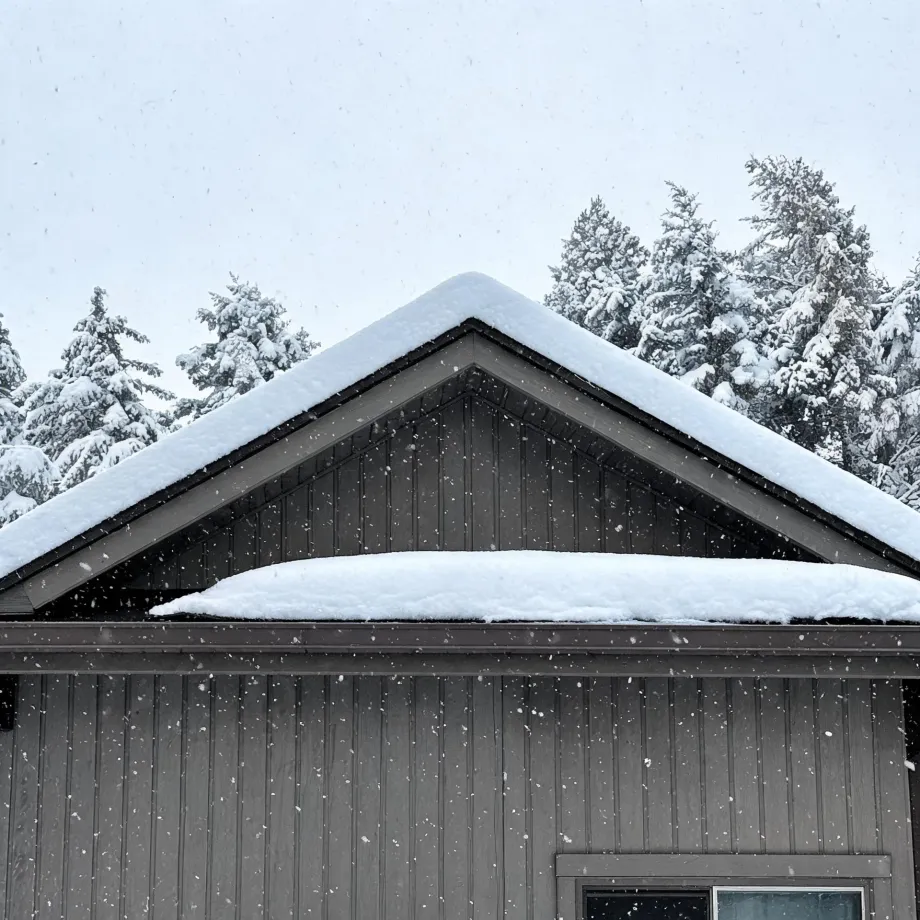
Ductwork sized and routed for an older forced-air system carries assumptions about static pressure and airflow that a heat pump does not share, and a contractor quoting a new installation has to verify those assumptions before the equipment selection means anything. Half the homes in Alamosa County, Colorado were built in 1982 or earlier (2020-2024 ACS 5-year). That puts the existing duct runs, and the service panel, ahead of the unit itself on the checklist. Panels in houses this age were wired for loads that predate modern heat pump draw, and whether the existing service can support the new unit is a question with a real answer that only an inspection produces.
What Gets Installed With a New Heat Pump
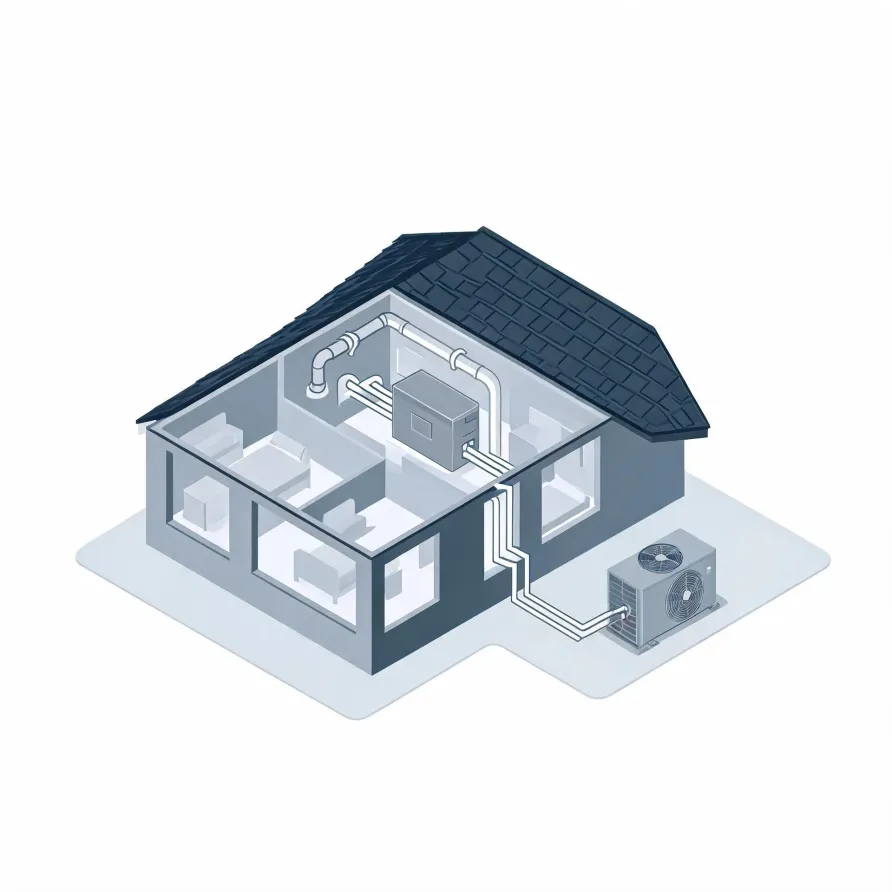
The outdoor unit is the piece most homeowners notice first. It sits on a pad outside the house and holds the compressor and one set of coils. Inside, an air handler mounts in a utility space, basement, or closet and moves conditioned air through the home. Together these two units do the work of both heating and cooling.
A refrigerant line set runs between the outdoor unit and the air handler, connecting the two through an exterior wall. A thermostat goes on an interior wall where it reads the home's temperature and tells the system when to run. Some installations also include an auxiliary heat strip inside the air handler for the coldest days.
The drawing shows a typical layout, and a licensed contractor determines exactly what goes where in your house.
Get matched in Alamosa CountyAlamosa County, by the numbers
178 severe weather events were recorded in Alamosa County, Colorado between 2015 and 2024.
NOAA National Centers for Environmental Information, Storm Events Database, bulk CSV export, events 2015-01-01 through 2024-12-31.Half the homes in Alamosa County, Colorado were built in 1982 or earlier (2020-2024 ACS 5-year).
U.S. Census Bureau, 2020-2024 American Community Survey 5-Year EstimatesAlamosa County, Colorado holds 7,241 housing units (2020-2024 ACS 5-year).
U.S. Census Bureau, 2020-2024 American Community Survey 5-Year EstimatesOwners occupy 55.9% of the occupied homes in Alamosa County, Colorado (2020-2024 ACS 5-year).
U.S. Census Bureau, 2020-2024 American Community Survey 5-Year EstimatesSevere Weather Events in Alamosa County
Alamosa County's climate puts real demands on heating and cooling equipment, and those demands vary with what the weather actually does year to year. A heat pump sized and installed for local conditions will handle that workload differently than one specced for somewhere else.
178 severe weather events, 2015–2024. Source: NOAA National Centers for Environmental Information, Storm Events Database.