Profile view of a bearded man wearing a dark baseball cap and a dark gray T-shirt against a plain off-white background.

Can a heat pump keep up in a Colorado winter

Step 1 of 3: Equipment

A heat pump can keep up through a Colorado winter, but it needs help once temperatures drop into the teens and below. Heat pumps pull heat from outside air, and the colder that air gets, the less heat there is to pull. In Denver and across most of the state, winter brings stretches of single digit and sub zero nights, and a standard heat pump loses much of its capacity right in that range. Below about 25 to 30 degrees, most units start struggling to heat the house on their own. That's why Colorado installations are usually paired with a backup heat source, gas or electric, that kicks in automatically when the outdoor temperature drops too low for the heat pump alone. A cold climate heat pump, built to keep producing heat well below zero, is the other option worth knowing about before you install one here.

A woman with long gray hair wrapped in a checked blanket sits on a sofa by a window with yellow autumn foliage outside, with a lamp, framed picture and plant in the background.
An older woman in a cream knit sweater sits on a sofa by a window, looking out at sunlit trees with yellow and orange autumn leaves, with a bookshelf and lamp behind her.
A woman with gray shoulder-length hair in a dark knit sweater sits on a cushioned seat by a window, looking out at yellow autumn foliage, with a living room, armchair, houseplant and framed picture behind her.
An older woman with gray hair in a bun, wearing a cream knit sweater, sits on a sofa with a gray blanket and looks out a large window toward yellow-green autumn trees, with a lit table lamp and dark armchair behind her.

A heat pump doesn't burn anything to make heat. It pulls heat out of the outside air and moves it into the house, which works fine down to a point. As the outdoor temperature falls, there's less heat in that air to grab, so the unit has to work harder for less output. Somewhere around the mid to upper 20s, most units start falling behind, and that's when backup heat steps in, either electric coils or a gas furnace working alongside it in a dual-fuel setup. The system also has to deal with ice. Cold, humid air forms frost on the outdoor coil, so the unit runs a defrost cycle every so often, reversing for a few minutes to clear it before going back to heating. During that stretch, the vents can blow air that feels cool. That's the defrost cycle doing its job, not a breakdown. Whether backup heat kicks in, and when, isn't something you control by hand. The thermostat or the control board reads the outdoor temperature and how far the house has drifted from the setpoint, and makes that call on its own.

How a Heat Pump Handles Cold

  • A heat pump moves heat instead of making it, so its output drops as the outdoor air gets colder.
  • Below about 25 to 30 degrees, most heat pumps start losing capacity faster than the house loses heat.
  • Backup heat, usually electric resistance coils or a gas furnace paired in a dual-fuel setup, takes over when the compressor can't keep pace.
  • A defrost cycle runs periodically in freezing weather, reversing briefly to melt ice off the outdoor coil before switching back to heating.
  • During defrost the system can feel like it's blowing cool air for a few minutes, which is normal and not a sign of trouble.
  • The thermostat or control board decides when to bring on backup heat, based on outdoor temperature and how far the house has drifted from the setpoint.
A gray outdoor condenser unit on a concrete pad beside a light-green sided house, surrounded by mulch, ornamental grasses and a shrub, with mowed lawn in the foreground.
A heat pump that's maintained and sized right for the house keeps pace even when Denver drops into the single digits.
A gray outdoor air conditioning condenser unit on a concrete pad beside a house with light vinyl siding, with a gray electrical disconnect box and conduit on the wall to the right.
One that's caked in dirt and ice on the fins loses capacity fast, and the backup heat ends up carrying the load.
An outdoor air conditioning condenser unit on a concrete pad beside a house with horizontal lap siding, surrounded by rocks, shrubs and trees.

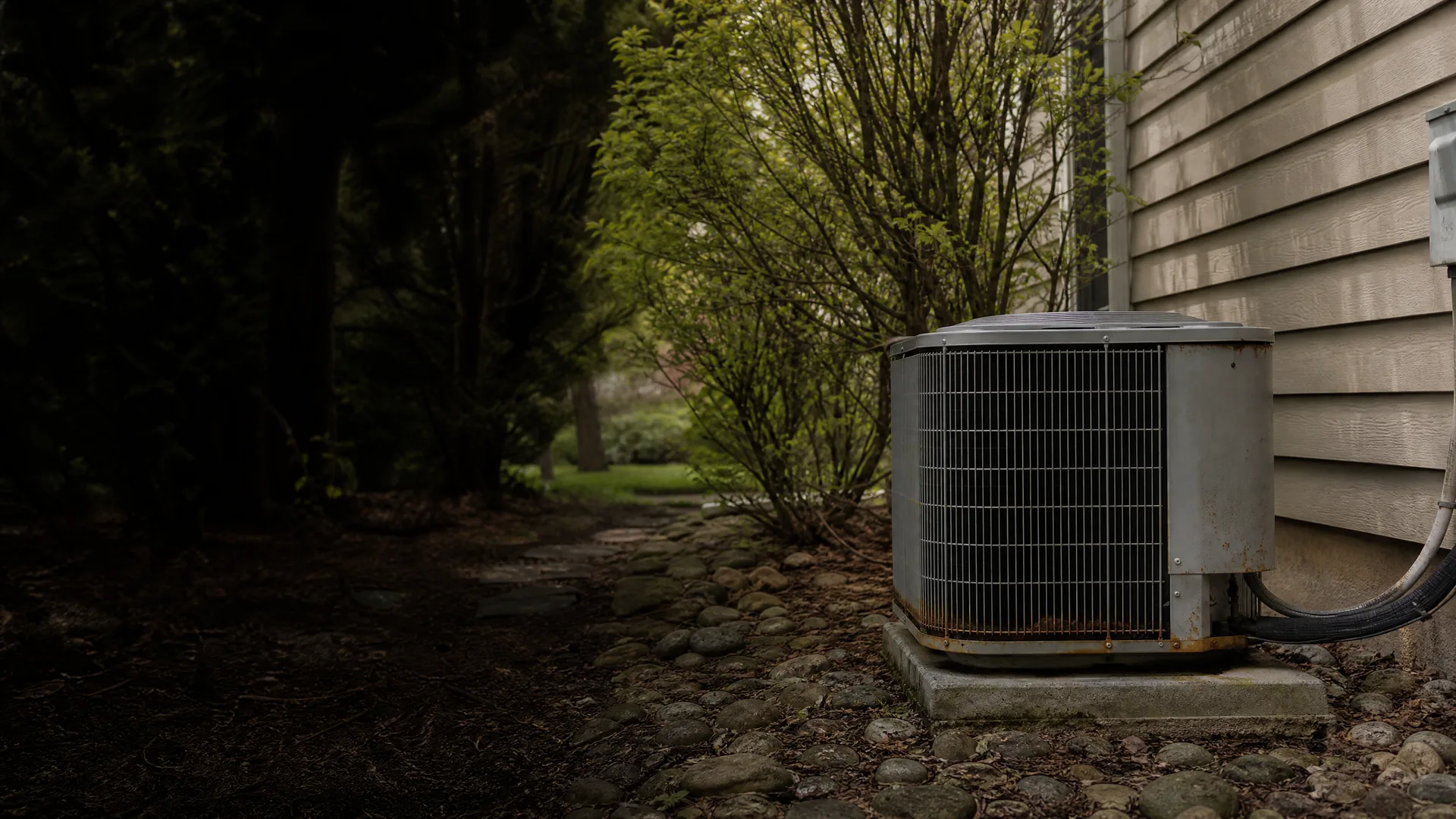
You walk out to the side yard in April, coffee still in hand, because the unit's been making a low groan for a week. The snow's mostly gone except for a gray strip along the fence line. The outdoor unit sits there with rust creeping up the base, the fins behind the grille gone dull and clogged from a winter of being buried and thawed over and over. You crouch down and the fan isn't spinning, though the house never got cold enough for you to notice. You'd been running the backup heat more than you realized. You put a hand on the top panel. It's barely warm.


A woman stands in the open doorway of a white stucco house holding the dark door, facing a man in a black cap and shirt seen from behind in the blurred foreground, with a potted flowering plant beside the entry.

What a hard freeze means for your house

When Denver drops into single digits overnight, your heat pump leans harder on its backup heat to keep the house at temperature. That backup is usually electric resistance coils, and they draw a lot more power than the compressor does on its own. You'll see it on the bill the month that cold spell hits. If the backup is undersized or not wired in right, the house falls a few degrees short of the thermostat setting and stays there until the air warms back up.

Most homes in Colorado heat with gas, so a heat pump here is often paired with a furnace rather than electric coils, switching over when the outdoor temperature gets low enough. Whether that handoff is set up correctly, and at what temperature it happens, matters more than the brand of equipment in the yard. A system installed for your house, not just dropped in to match the old one, is what decides whether this winter is a non-issue or a string of cold mornings. Getting matched with a contractor who looks at your ductwork, your furnace, and your actual coldest days is how that gets settled before the next cold front, not during it.

Interior corner of a dining room with a round wooden table, a ceramic vase holding olive branches, a dark spindle-back chair near a curtained window, and a sideboard with a lamp against beige walls.
A gray outdoor heat pump unit on a concrete pad beside a house with horizontal lap siding, connected by conduit and a flexible line to a wall-mounted disconnect box, with low shrubs and mulch nearby.

Running clear on a cold morning

This is what it looks like working the way it should. The fan runs steady, the lines stay free of ice, and the unit pulls what heat it can from air that's well below freezing. Keep the fins clean and clear, and it'll hold its own most mornings.

An outdoor air conditioner condenser unit on a concrete pad beside a house with beige horizontal siding, with conduit running from an electrical box on the wall.

Ice where there shouldn't be any

A heat pump icing over on the coil or lines is losing ground. It still runs, but it's working harder for less heat, and the defrost cycle has to kick in more often to clear it. Left alone through a stretch of single digits, that's the backup heat doing most of the work.

Why does your house feel cooler on the coldest mornings?

You've got the thermostat set where it always is, but the air coming out of the vents feels lukewarm instead of warm, and the house takes longer to catch up. You might hear the system running almost constantly, or notice a different sound kick in when the backup heat comes on. Check the outdoor unit: if the fins are packed with ice or snow, or the fan isn't spinning freely, it can't pull in the heat it needs. Left that way through a stretch of single-digit nights, the backup heat picks up more of the load than it should, and the system works harder without actually warming the house any faster.

A woman in a cream knit sweater sits in an armchair with her eyes closed and head tilted back, beside a window showing orange autumn foliage and a wooden side table with a mug.
A gray-haired man in a blue quarter-zip sweater sits in an armchair with his eyes closed, beside a large window with bare trees outside and a potted plant and lamp nearby.
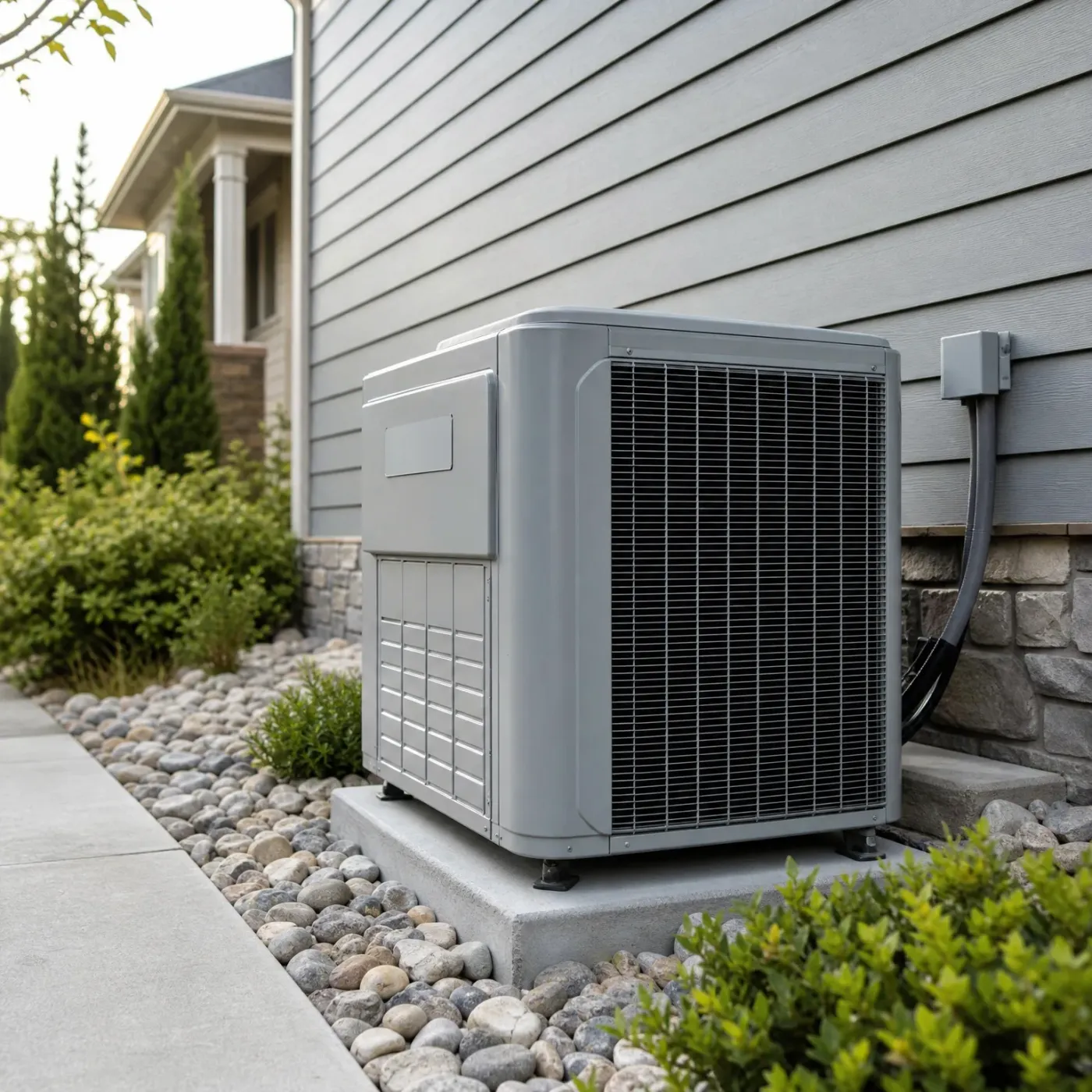
A gray outdoor heat pump unit on a concrete pad beside a house with light gray horizontal lap siding and a stone base, surrounded by river rock and shrubs next to a concrete walkway.

The right pro for this job

Send the form and stop researching installers for the new heat pump.

Get in touch with a local installer about a new heat pump.

Get my match

No charge to send it. You decide if you hire them.

Heat Pump Alone vs. With Backup Heat

Heat Pump Alone

  • On a mild Denver day in the 40s, the heat pump covers the whole load without the backup heat ever coming on.
  • As the outdoor temperature falls toward the teens, the system has to run longer to move the same amount of heat into the house.
  • Below the point where the unit's capacity drops off, the air coming out of the vents cools and the house falls behind.
  • No gas line or furnace involved, so the electric bill carries the whole cost of keeping the house warm.
  • A unit that's clean and sized for the house will keep working at these temperatures, just not as fast as it does in October.

Heat Pump Plus Backup

  • When the outdoor air drops into the teens and below, electric resistance coils or a gas furnace pick up the difference.
  • Most homes in Colorado already heat with gas, so a gas furnace paired with the heat pump is a common setup here.
  • The thermostat switches over on its own once the heat pump can't keep the house at the set temperature by itself.
  • Electric resistance coils pull a lot more power than the heat pump alone, so those hours cost more to run.
  • A gas furnace backup holds the house at temperature through a hard freeze without asking more of the electric side.
  • This is what lets a heat pump work as the only system in a Colorado winter instead of just a three-season one.
A two-story house with cream horizontal siding, a dark gabled roof, and a white front door, fronted by a lawn, shrubs, and a concrete walkway leading to a sidewalk and street, with large leafy trees on both sides.

Summer here isn't the reason your heat pump struggles, but it's part of the same machine that carries you through winter. Colorado air averages a dew point of 42°F across June, July and August, which is dry. A heat pump doesn't have to fight much moisture to cool your house in July, so it's not working as hard as the same unit would in a sticky climate. That matters because a system that isn't straining all summer tends to arrive at winter with its coils and fins in better shape, and clean coils are what let it pull what little heat exists in cold outdoor air. Dirt and corrosion, not the dry summer, are what cut into that.

NASA POWER T2MDEW county cells weighted by homes

How does a heat pump actually switch over to backup heat?

You've probably noticed your system doesn't just flip a switch and go. There's a point where the air at the vents changes, or you hear a different sound from the outdoor unit, and you're left wondering what just happened. Knowing the order things happen in helps you tell normal cold-weather behavior from something that needs a service call.

The thermostat calls for backup when the heat pump alone can't close the gap

Your thermostat tracks how far the indoor temperature is from the setpoint. When the heat pump's been running but the house isn't catching up fast enough, a second stage kicks in and brings on the backup heat alongside it, not instead of it. In most Colorado homes that backup is electric resistance coils in the air handler, since gas furnaces here usually run on their own rather than pair with a heat pump. The outdoor unit doesn't shut off when this happens. It keeps pulling what heat it can from the outside air while the coils make up the difference. You'll usually notice warmer air at the vents and a jump in power draw, since those coils pull a lot more electricity than the compressor does.

An outdoor air conditioner condenser unit on a concrete pad beside a house with horizontal vinyl siding, with refrigerant lines and an electrical disconnect box on the wall and dry leaves on the ground.
Before you get your heat pump installation
A gray outdoor heat pump unit on a concrete pad beside a house with horizontal lap siding, with a conduit running to a wall-mounted disconnect box and a green shrub to the left.
After you get your heat pump installation

Power costs 15.69 cents per kilowatt-hour statewide

At 15.69 cents per kilowatt-hour, those backup coils cost something every time they kick in on a single-digit night. A heat pump sized right for your house and clean on the fins leans on that backup less, which keeps those cold nights off your bill.

EIA-861 2025 statewide residential average

Where that leaves you

  • A heat pump sized for your house and kept clean on the fins can carry a Colorado winter down into the single digits.
  • Backup heat is there for the hardest nights, not as proof the heat pump is failing.
  • The coldest mornings are when a weak unit or a bad size shows itself, usually through longer run times or lukewarm air.
  • Maintenance and correct sizing matter more here than in most places, because Denver asks more of the system than a mild climate does.
  • Once you send the form, a contractor who knows these winters takes it from there.
  • You don't have to figure out whether your unit is undersized or just dirty before you ask someone to look at it.

A heat pump can carry a Colorado winter. It needs the right size for your house, clean fins, and backup heat standing by for the nights that drop into the single digits. None of that means the system is wrong for Denver. It means cold air holds less heat to pull from, and the equipment has to work with what's actually outside.

If your mornings have felt off, that's worth checking rather than guessing about. Lukewarm air at the vents, a unit that runs longer than it used to, backup coils kicking in on nights that aren't even that cold. Any of those could mean the unit's dirty, undersized, or just getting old. You don't need to know which before you ask someone to look.

That's the part that isn't on you anymore once you send the form. A contractor who works on heat pumps in this climate knows what a system should be doing on a 10 degree morning in Denver, and what it looks like when it isn't. They can tell you whether what you're seeing is normal for a hard freeze or a sign the unit needs attention, and whether the fix is a cleaning, a repair, or a different size system altogether.

You don't have to sort out capacity curves or defrost cycles to get a straight answer about your own house. That's the point of asking. Winter here doesn't let up early, so there's no reason to sit with a system that's working harder than it should while you try to diagnose it yourself.

Corner of a house with light horizontal lap siding, a white gutter and downspout, and a window, beside a mulched bed with small shrubs, a lawn, wooden fence and trees in the background.
Close-up of a white gutter along an asphalt-shingle roof edge with dry brown leaves collected in it, a downspout and lap siding below, and blurred autumn trees in the background.
Exterior corner of a house with horizontal lap siding above a stone veneer base and a dark-framed window, with ornamental grasses and shrubs in the foreground and trees in low sunlight behind.
A white horizontal-siding house with a steep gray shingled gable roof, fronted by trimmed shrubs, a brick walkway, and a lawn scattered with fallen autumn leaves.
Corner of a house with cream horizontal lap siding, a black-framed window, asphalt shingle roof with dark fascia, white hydrangea blooms and green shrubs below, and a leafy tree and wood fence to the right.

Matched to your heat pump job

One request ends the search for a heat pump installer.

Request a pro

There's no charge for the request.